Readings Newsletter
Become a Readings Member to make your shopping experience even easier.
Sign in or sign up for free!
You’re not far away from qualifying for FREE standard shipping within Australia
You’ve qualified for FREE standard shipping within Australia
The cart is loading…


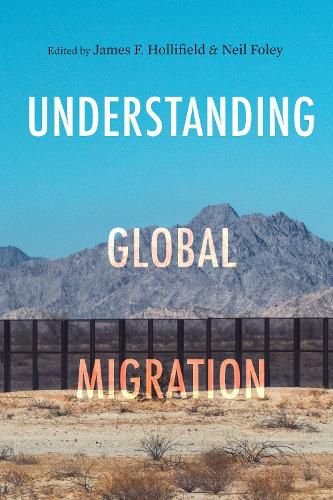
Understanding Global Migration offers scholars a groundbreaking account of emerging migration states around the globe, especially in the Global South.
Leading scholars of migration have collaborated to provide a birds-eye view of migration interdependence. Understanding Global Migration proposes a new typology of migration states, identifying multiple ideal types beyond the classical liberal type. Much of the world’s migration has been to countries in Asia, Africa, the Middle East, and South America. The authors assembled here account for diverse histories of colonialism, development, and identity in shaping migration policy.
This book provides a truly global look at the dilemmas of migration governance: Will migration be destabilizing, or will it lead to greater openness and human development? The answer depends on the capacity of states to manage migration, especially their willingness to respect the rights of the ever-growing portion of the world’s population that is on the move.
$9.00 standard shipping within Australia
FREE standard shipping within Australia for orders over $100.00
Express & International shipping calculated at checkout
Stock availability can be subject to change without notice. We recommend calling the shop or contacting our online team to check availability of low stock items. Please see our Shopping Online page for more details.
Understanding Global Migration offers scholars a groundbreaking account of emerging migration states around the globe, especially in the Global South.
Leading scholars of migration have collaborated to provide a birds-eye view of migration interdependence. Understanding Global Migration proposes a new typology of migration states, identifying multiple ideal types beyond the classical liberal type. Much of the world’s migration has been to countries in Asia, Africa, the Middle East, and South America. The authors assembled here account for diverse histories of colonialism, development, and identity in shaping migration policy.
This book provides a truly global look at the dilemmas of migration governance: Will migration be destabilizing, or will it lead to greater openness and human development? The answer depends on the capacity of states to manage migration, especially their willingness to respect the rights of the ever-growing portion of the world’s population that is on the move.
Search our extensive online catalogue.
