Readings Newsletter
Become a Readings Member to make your shopping experience even easier.
Sign in or sign up for free!
You’re not far away from qualifying for FREE standard shipping within Australia
You’ve qualified for FREE standard shipping within Australia
The cart is loading…


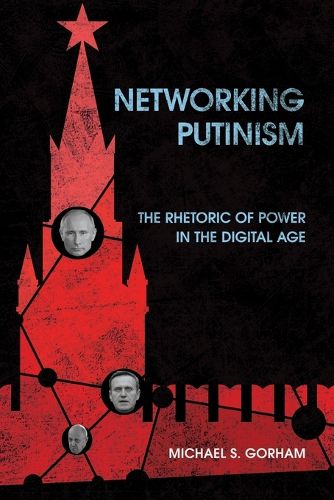
Networking Putinism explores the internet's impact on political discourse in Russia and the strategies adopted both by Vladimir Putin and his associates to secure and legitimate their authority, as well as by the regime's most determined critics. Michael S. Gorham shows that despite Putin's famously dismissive attitude toward the internet, the Russian leader, his political team, and a motley array of web-savvy sympathizers have been consistently fixated on the medium, deeply invested in its development, and keenly aware of its ability to shape public political discourse.
The success of the regime's opponents in leveraging social media to criticize the regime forced Putin and his allies to find ways to more effectively exploit the new medium. In telling the story of these rhetorical online battles, Networking Putinism shows how, even in the most authoritarian of regimes, public language still matters, and digitally mediated communication remains a highly contested instrument of power.
$9.00 standard shipping within Australia
FREE standard shipping within Australia for orders over $100.00
Express & International shipping calculated at checkout
Stock availability can be subject to change without notice. We recommend calling the shop or contacting our online team to check availability of low stock items. Please see our Shopping Online page for more details.
Networking Putinism explores the internet's impact on political discourse in Russia and the strategies adopted both by Vladimir Putin and his associates to secure and legitimate their authority, as well as by the regime's most determined critics. Michael S. Gorham shows that despite Putin's famously dismissive attitude toward the internet, the Russian leader, his political team, and a motley array of web-savvy sympathizers have been consistently fixated on the medium, deeply invested in its development, and keenly aware of its ability to shape public political discourse.
The success of the regime's opponents in leveraging social media to criticize the regime forced Putin and his allies to find ways to more effectively exploit the new medium. In telling the story of these rhetorical online battles, Networking Putinism shows how, even in the most authoritarian of regimes, public language still matters, and digitally mediated communication remains a highly contested instrument of power.
Search our extensive online catalogue.
