Readings Newsletter
Become a Readings Member to make your shopping experience even easier.
Sign in or sign up for free!
You’re not far away from qualifying for FREE standard shipping within Australia
You’ve qualified for FREE standard shipping within Australia
The cart is loading…


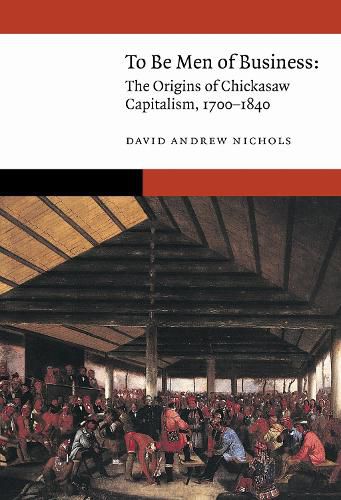
Capitalism during the American colonial era was an economic system known primarily for dispossessing and exploiting Indigenous peoples. Some Indigenous nations, however, learned to use its primary features--wealth accumulation, private investment, and a globalized marketplace--to strengthen their families and defend their communities. The Chickasaws of the American Southeast exemplified these Indigenous capitalists.
To Be Men of Business examines the Chickasaw Nation's education in business and commerce, adaptation to a capitalist economy, and survival by maneuvering in the market economy established by settlers in North America. The Chickasaw Nation, initially a subsistence-oriented society, first entered the Atlantic market economy in the late 1600s through the Native American slave trade, when Chickasaw men's participation in slave raiding brought significant material gains and introduced their families to European goods. Over the course of two hundred years, Chickasaw families adopted aspects of capitalist culture while retaining elements of their own foundational culture norms.
The Chickasaw Nation's economic history provides a case study of how a noncapitalist society integrated itself into an increasingly capitalist atmosphere. Amid this economic shift, Chickasaw leaders worked to protect their people from predatory white traders and officials by sending children to mission schools for English literacy and resisting efforts by the U.S government to gain land cessions from the Chickasaw people. Business and commerce literacy also allowed the Chickasaw Nation some control over their forced migration, and the protective economic institutions Chickasaw leaders established became the basis for a revived Chickasaw national identity following removal from their homeland.
$9.00 standard shipping within Australia
FREE standard shipping within Australia for orders over $100.00
Express & International shipping calculated at checkout
Stock availability can be subject to change without notice. We recommend calling the shop or contacting our online team to check availability of low stock items. Please see our Shopping Online page for more details.
Capitalism during the American colonial era was an economic system known primarily for dispossessing and exploiting Indigenous peoples. Some Indigenous nations, however, learned to use its primary features--wealth accumulation, private investment, and a globalized marketplace--to strengthen their families and defend their communities. The Chickasaws of the American Southeast exemplified these Indigenous capitalists.
To Be Men of Business examines the Chickasaw Nation's education in business and commerce, adaptation to a capitalist economy, and survival by maneuvering in the market economy established by settlers in North America. The Chickasaw Nation, initially a subsistence-oriented society, first entered the Atlantic market economy in the late 1600s through the Native American slave trade, when Chickasaw men's participation in slave raiding brought significant material gains and introduced their families to European goods. Over the course of two hundred years, Chickasaw families adopted aspects of capitalist culture while retaining elements of their own foundational culture norms.
The Chickasaw Nation's economic history provides a case study of how a noncapitalist society integrated itself into an increasingly capitalist atmosphere. Amid this economic shift, Chickasaw leaders worked to protect their people from predatory white traders and officials by sending children to mission schools for English literacy and resisting efforts by the U.S government to gain land cessions from the Chickasaw people. Business and commerce literacy also allowed the Chickasaw Nation some control over their forced migration, and the protective economic institutions Chickasaw leaders established became the basis for a revived Chickasaw national identity following removal from their homeland.
Search our extensive online catalogue.
