Readings Newsletter
Become a Readings Member to make your shopping experience even easier.
Sign in or sign up for free!
You’re not far away from qualifying for FREE standard shipping within Australia
You’ve qualified for FREE standard shipping within Australia
The cart is loading…


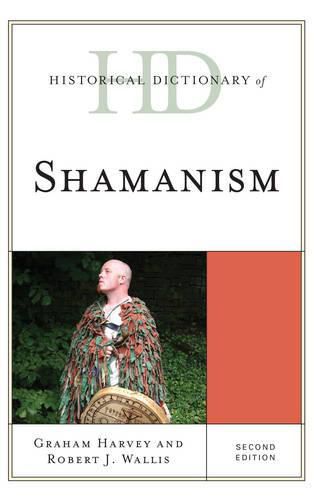
A remarkable array of people have been called shamans, while the phenomena identified as shamanism continues to proliferate. This second edition of the Historical Dictionary of Shamanism contains with examples from antiquity up to today, and from Siberia (where the term shaman originated) to Amazonia, South Africa, Chicago and many other places. Many claims about shamans and shamanism are contentious and all are worthy of discussion. In the most widespread understandings, terms seem to refer particularly to people who alter states of consciousness or enter trances in order to seek knowledge and help from powerful other-than-human persons, perhaps spirits . But this says only a little about the artists, community leaders, spiritual healers or hucksters, travelers in alternative realities and so on to which the label shaman has been applied.
This second edition contains a chronology, an introduction, and extensive bibliography. The dictionary contains over 500 cross-referenced dictionary entries on individuals, groups, practices and cultures that have been called shamanic . This book is an excellent access point for students, researchers, and anyone wanting to know more about Shamanism.
$9.00 standard shipping within Australia
FREE standard shipping within Australia for orders over $100.00
Express & International shipping calculated at checkout
Stock availability can be subject to change without notice. We recommend calling the shop or contacting our online team to check availability of low stock items. Please see our Shopping Online page for more details.
A remarkable array of people have been called shamans, while the phenomena identified as shamanism continues to proliferate. This second edition of the Historical Dictionary of Shamanism contains with examples from antiquity up to today, and from Siberia (where the term shaman originated) to Amazonia, South Africa, Chicago and many other places. Many claims about shamans and shamanism are contentious and all are worthy of discussion. In the most widespread understandings, terms seem to refer particularly to people who alter states of consciousness or enter trances in order to seek knowledge and help from powerful other-than-human persons, perhaps spirits . But this says only a little about the artists, community leaders, spiritual healers or hucksters, travelers in alternative realities and so on to which the label shaman has been applied.
This second edition contains a chronology, an introduction, and extensive bibliography. The dictionary contains over 500 cross-referenced dictionary entries on individuals, groups, practices and cultures that have been called shamanic . This book is an excellent access point for students, researchers, and anyone wanting to know more about Shamanism.
Search our extensive online catalogue.
