Readings Newsletter
Become a Readings Member to make your shopping experience even easier.
Sign in or sign up for free!
You’re not far away from qualifying for FREE standard shipping within Australia
You’ve qualified for FREE standard shipping within Australia
The cart is loading…


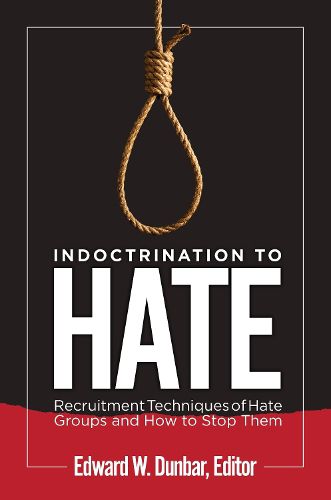
This collection spotlights the impact of hate violence on individuals and communities as well as how people form biases and are indoctrinated into hate groups, why they participate in violent hate crimes, and how hate may become extreme.
This book details the solicitation and indoctrination of members into extremist hate groups. Using theoretical, empirical, and field studies, experts explain the psychological processes of bias formation, hate identity, and the stages of extremism, and detail first-person accounts of hate group membership and critical incidents of hate violence. Contributors draw significantly upon the current wave of reactionary political and racial intolerance witnessed in the United States and Europe in addressing specific groups and forms of hate extremism as found across different cultural and geographic regions.
A statistically based analysis of how hate and ideology each contribute to political extremism accompanies the text and provides a long-term perspective of hate-based lifestyles. The book also offers a neuroscientific explanation of hate ideology as a psychological problem presenting a unique perspective, and a discussion of the interplay of governments and stakeholders in the untangling of the legal issues of hate crimes and of domestic and international terrorism. This text will be useful for students, researchers, and professionals in the social and behavioral sciences, law enforcement, criminal justice, and political science.
Illustrates conflicts and injuries found in our communities due to the activity of hate groups
Presents recruitment and membership retention tactics of various hate groups and approaches to countering them
Examines the neuropsychology of hate as a motivator in perpetrating intergroup violence
Offers a contrary perspective in the form of personal narratives from people who have been involved in terrorism, lynchings, honor killings, and other hate-motivated violence
$9.00 standard shipping within Australia
FREE standard shipping within Australia for orders over $100.00
Express & International shipping calculated at checkout
Stock availability can be subject to change without notice. We recommend calling the shop or contacting our online team to check availability of low stock items. Please see our Shopping Online page for more details.
This collection spotlights the impact of hate violence on individuals and communities as well as how people form biases and are indoctrinated into hate groups, why they participate in violent hate crimes, and how hate may become extreme.
This book details the solicitation and indoctrination of members into extremist hate groups. Using theoretical, empirical, and field studies, experts explain the psychological processes of bias formation, hate identity, and the stages of extremism, and detail first-person accounts of hate group membership and critical incidents of hate violence. Contributors draw significantly upon the current wave of reactionary political and racial intolerance witnessed in the United States and Europe in addressing specific groups and forms of hate extremism as found across different cultural and geographic regions.
A statistically based analysis of how hate and ideology each contribute to political extremism accompanies the text and provides a long-term perspective of hate-based lifestyles. The book also offers a neuroscientific explanation of hate ideology as a psychological problem presenting a unique perspective, and a discussion of the interplay of governments and stakeholders in the untangling of the legal issues of hate crimes and of domestic and international terrorism. This text will be useful for students, researchers, and professionals in the social and behavioral sciences, law enforcement, criminal justice, and political science.
Illustrates conflicts and injuries found in our communities due to the activity of hate groups
Presents recruitment and membership retention tactics of various hate groups and approaches to countering them
Examines the neuropsychology of hate as a motivator in perpetrating intergroup violence
Offers a contrary perspective in the form of personal narratives from people who have been involved in terrorism, lynchings, honor killings, and other hate-motivated violence
Search our extensive online catalogue.
