Readings Newsletter
Become a Readings Member to make your shopping experience even easier.
Sign in or sign up for free!
You’re not far away from qualifying for FREE standard shipping within Australia
You’ve qualified for FREE standard shipping within Australia
The cart is loading…


This title is printed to order. This book may have been self-published. If so, we cannot guarantee the quality of the content. In the main most books will have gone through the editing process however some may not. We therefore suggest that you be aware of this before ordering this book. If in doubt check either the author or publisher’s details as we are unable to accept any returns unless they are faulty. Please contact us if you have any questions.
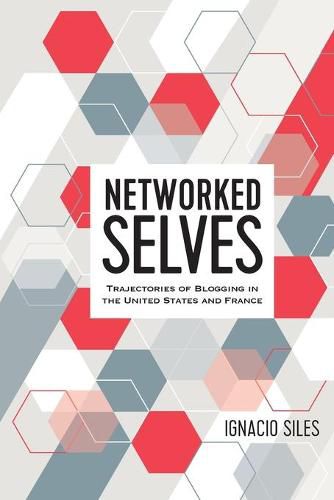
Networked Selves is an original analysis of one of the most defining cultural features of our time: how people turn to the Web to construct a public self. It examines the trajectory of a practice that embodies this sociocultural shift in fundamental ways: blogging. The book traces the evolution of the Web as a means to publicly perform a self through an analysis of the emergence, development, and transformation of blogging from the mid-1990s to the early years of the 2010s. It discusses processes that have shaped practices of subjectivity on the Web over two decades in two countries: the United States and France. Through this comparative analysis, the book shows that the cultural identity of blogging as a practice of subjectivity in these countries is neither inevitable nor neutral. Instead, it demonstrates that the development of the Web required the forging of various articulations between specific conceptions of self, publicness, and technology. These articulations were responses to both transformations in the daily life of actors and larger economic, political, and cultural processes-notably neoliberalization. The book also explains how the cultural imaginary around blogs came into being in the United States and how it has also functioned as a model for actors in other countries, such as France. Networked Selves discusses how and why actors in the technology field in France have gradually abandoned traditional makers of exceptionalism that were key in the development of the country’s national identity and favored notions that characterize the United States instead.
$9.00 standard shipping within Australia
FREE standard shipping within Australia for orders over $100.00
Express & International shipping calculated at checkout
Stock availability can be subject to change without notice. We recommend calling the shop or contacting our online team to check availability of low stock items. Please see our Shopping Online page for more details.
This title is printed to order. This book may have been self-published. If so, we cannot guarantee the quality of the content. In the main most books will have gone through the editing process however some may not. We therefore suggest that you be aware of this before ordering this book. If in doubt check either the author or publisher’s details as we are unable to accept any returns unless they are faulty. Please contact us if you have any questions.
Networked Selves is an original analysis of one of the most defining cultural features of our time: how people turn to the Web to construct a public self. It examines the trajectory of a practice that embodies this sociocultural shift in fundamental ways: blogging. The book traces the evolution of the Web as a means to publicly perform a self through an analysis of the emergence, development, and transformation of blogging from the mid-1990s to the early years of the 2010s. It discusses processes that have shaped practices of subjectivity on the Web over two decades in two countries: the United States and France. Through this comparative analysis, the book shows that the cultural identity of blogging as a practice of subjectivity in these countries is neither inevitable nor neutral. Instead, it demonstrates that the development of the Web required the forging of various articulations between specific conceptions of self, publicness, and technology. These articulations were responses to both transformations in the daily life of actors and larger economic, political, and cultural processes-notably neoliberalization. The book also explains how the cultural imaginary around blogs came into being in the United States and how it has also functioned as a model for actors in other countries, such as France. Networked Selves discusses how and why actors in the technology field in France have gradually abandoned traditional makers of exceptionalism that were key in the development of the country’s national identity and favored notions that characterize the United States instead.
Search our extensive online catalogue.
