Readings Newsletter
Become a Readings Member to make your shopping experience even easier.
Sign in or sign up for free!
You’re not far away from qualifying for FREE standard shipping within Australia
You’ve qualified for FREE standard shipping within Australia
The cart is loading…


This title is printed to order. This book may have been self-published. If so, we cannot guarantee the quality of the content. In the main most books will have gone through the editing process however some may not. We therefore suggest that you be aware of this before ordering this book. If in doubt check either the author or publisher’s details as we are unable to accept any returns unless they are faulty. Please contact us if you have any questions.
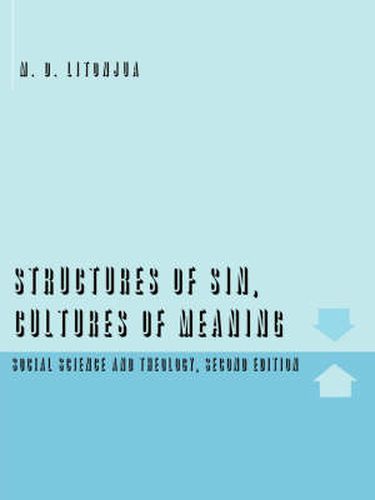
With the inductive and historicist turn in theological method, the social sciences have become an important handmaid of theology. The interaction between theology and the social sciences, however, has been characterized, on the one hand, as one of alliance, and, on the other, as one of conflict. Structures of Sin, Cultures of Meaning seeks to advance the dialogue and collaboration between them. Social science considers religion primarily as a social institution and as a cultural system. The first part of the book explains what a social institution is, why religion is a social institution, and elaborates on its implications for theology in such areas as the bureaucratization of religion, the formation of the structures of injustice, the preferential option for the poor. Three additional chapters discuss the failure of collegiality at Vatican II, the relationship of religion to the social institutions of the economy and of politics. The second part elucidates on what a cultural system is, why religion is a cultural system, and its consequences for theology in such areas as religious identity and community, Christian ethics and formation, evangelization and inculturation. Three additional chapters deal with the anthropology of religion, secularization and fundamentalism, and religious conflict and violence. The social structures and cultures of the past impinge on those of the present to create the challenges of today and the possibilities for tomorrow. People make history and do theology in the circumstances created by social structures and cultures of meaning.
$9.00 standard shipping within Australia
FREE standard shipping within Australia for orders over $100.00
Express & International shipping calculated at checkout
Stock availability can be subject to change without notice. We recommend calling the shop or contacting our online team to check availability of low stock items. Please see our Shopping Online page for more details.
This title is printed to order. This book may have been self-published. If so, we cannot guarantee the quality of the content. In the main most books will have gone through the editing process however some may not. We therefore suggest that you be aware of this before ordering this book. If in doubt check either the author or publisher’s details as we are unable to accept any returns unless they are faulty. Please contact us if you have any questions.
With the inductive and historicist turn in theological method, the social sciences have become an important handmaid of theology. The interaction between theology and the social sciences, however, has been characterized, on the one hand, as one of alliance, and, on the other, as one of conflict. Structures of Sin, Cultures of Meaning seeks to advance the dialogue and collaboration between them. Social science considers religion primarily as a social institution and as a cultural system. The first part of the book explains what a social institution is, why religion is a social institution, and elaborates on its implications for theology in such areas as the bureaucratization of religion, the formation of the structures of injustice, the preferential option for the poor. Three additional chapters discuss the failure of collegiality at Vatican II, the relationship of religion to the social institutions of the economy and of politics. The second part elucidates on what a cultural system is, why religion is a cultural system, and its consequences for theology in such areas as religious identity and community, Christian ethics and formation, evangelization and inculturation. Three additional chapters deal with the anthropology of religion, secularization and fundamentalism, and religious conflict and violence. The social structures and cultures of the past impinge on those of the present to create the challenges of today and the possibilities for tomorrow. People make history and do theology in the circumstances created by social structures and cultures of meaning.
Search our extensive online catalogue.
