Readings Newsletter
Become a Readings Member to make your shopping experience even easier.
Sign in or sign up for free!
You’re not far away from qualifying for FREE standard shipping within Australia
You’ve qualified for FREE standard shipping within Australia
The cart is loading…


This title is printed to order. This book may have been self-published. If so, we cannot guarantee the quality of the content. In the main most books will have gone through the editing process however some may not. We therefore suggest that you be aware of this before ordering this book. If in doubt check either the author or publisher’s details as we are unable to accept any returns unless they are faulty. Please contact us if you have any questions.
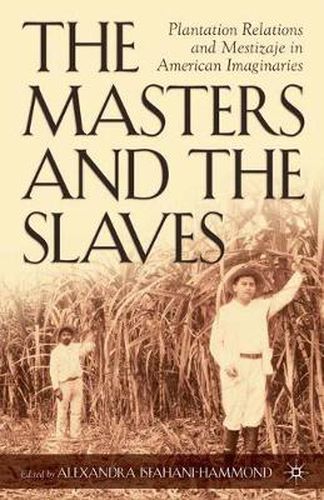
This collection presents a comparative study of the impact of slavery on the literary and cultural imagination of the Americas, and also on the impact of writing on slavery on the social legacies of slavery’s history. The chapters examine the relationship of slavery and master/slave relations to nationalist projects throughout the Americas - the ways in which a history of slavery and its abolition has shaped a nation’s identity and race relations within that nation. The scope of the study is unprecedented - the book ties together the entire ‘Black Atlantic’, including the French and Spanish Caribbean, the US, and Brazil. Through reading texts on slavery and its legacy from these countries, the volume addresses the eroticization of the plantation economy, various formations of the master/slave dialectic as it has emerged in different national contexts, the plantation as metaphor, and the relationship between texts that use cultural vs biological narratives of mestizaje (being interracial). These texts are examined with the goal of locating the origins of the different notions of race and racial orders that have arisen throughout the Americas. Isfahani-Hammond argues that without a critical revisiting of slavery and its various incarnations throughout the Americas, it is impossible to understand and rethink race relations in today’s world.
$9.00 standard shipping within Australia
FREE standard shipping within Australia for orders over $100.00
Express & International shipping calculated at checkout
Stock availability can be subject to change without notice. We recommend calling the shop or contacting our online team to check availability of low stock items. Please see our Shopping Online page for more details.
This title is printed to order. This book may have been self-published. If so, we cannot guarantee the quality of the content. In the main most books will have gone through the editing process however some may not. We therefore suggest that you be aware of this before ordering this book. If in doubt check either the author or publisher’s details as we are unable to accept any returns unless they are faulty. Please contact us if you have any questions.
This collection presents a comparative study of the impact of slavery on the literary and cultural imagination of the Americas, and also on the impact of writing on slavery on the social legacies of slavery’s history. The chapters examine the relationship of slavery and master/slave relations to nationalist projects throughout the Americas - the ways in which a history of slavery and its abolition has shaped a nation’s identity and race relations within that nation. The scope of the study is unprecedented - the book ties together the entire ‘Black Atlantic’, including the French and Spanish Caribbean, the US, and Brazil. Through reading texts on slavery and its legacy from these countries, the volume addresses the eroticization of the plantation economy, various formations of the master/slave dialectic as it has emerged in different national contexts, the plantation as metaphor, and the relationship between texts that use cultural vs biological narratives of mestizaje (being interracial). These texts are examined with the goal of locating the origins of the different notions of race and racial orders that have arisen throughout the Americas. Isfahani-Hammond argues that without a critical revisiting of slavery and its various incarnations throughout the Americas, it is impossible to understand and rethink race relations in today’s world.
Search our extensive online catalogue.
