Readings Newsletter
Become a Readings Member to make your shopping experience even easier.
Sign in or sign up for free!
You’re not far away from qualifying for FREE standard shipping within Australia
You’ve qualified for FREE standard shipping within Australia
The cart is loading…


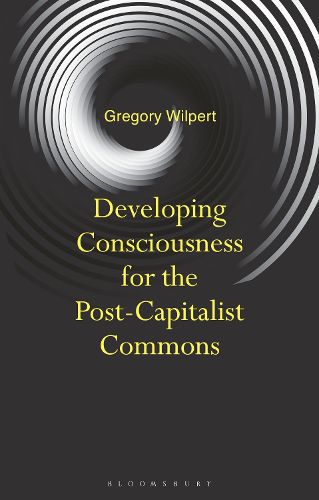
Why do so many socialist movements fail to deliver on their promises, even after gaining state power? Gregory Wilpert argues that the answer lies not only in class politics or economic missteps, but in a deeper challenge: social-political consciousness.
Building on Juergen Habermas's integration of developmental psychology into social theory, Wilpert updates and radicalizes this approach for today's world. He explores how neoliberal digital capitalism has triggered a profound crisis - political, economic, social, and psychological, and makes the case for cultivating a new 'commonist consciousness' that can emerge out of the hyper-capitalism in which we currently find ourselves. This vision points toward post-capitalist institutions rooted in shared resources and collective decision-making: the post-capitalist commons.
Provocative and timely, this book offers a bold framework for rethinking socialist strategy in the age of digital capitalism.
$9.00 standard shipping within Australia
FREE standard shipping within Australia for orders over $100.00
Express & International shipping calculated at checkout
Stock availability can be subject to change without notice. We recommend calling the shop or contacting our online team to check availability of low stock items. Please see our Shopping Online page for more details.
Why do so many socialist movements fail to deliver on their promises, even after gaining state power? Gregory Wilpert argues that the answer lies not only in class politics or economic missteps, but in a deeper challenge: social-political consciousness.
Building on Juergen Habermas's integration of developmental psychology into social theory, Wilpert updates and radicalizes this approach for today's world. He explores how neoliberal digital capitalism has triggered a profound crisis - political, economic, social, and psychological, and makes the case for cultivating a new 'commonist consciousness' that can emerge out of the hyper-capitalism in which we currently find ourselves. This vision points toward post-capitalist institutions rooted in shared resources and collective decision-making: the post-capitalist commons.
Provocative and timely, this book offers a bold framework for rethinking socialist strategy in the age of digital capitalism.
Search our extensive online catalogue.
