Readings Newsletter
Become a Readings Member to make your shopping experience even easier.
Sign in or sign up for free!
You’re not far away from qualifying for FREE standard shipping within Australia
You’ve qualified for FREE standard shipping within Australia
The cart is loading…


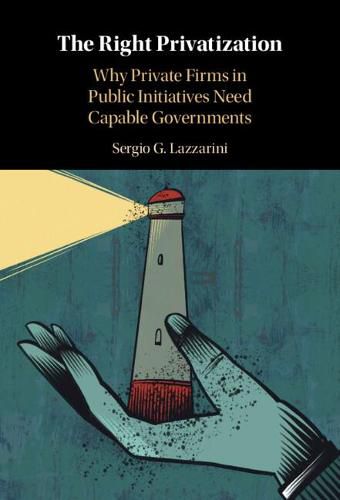
The public debate is rife with polarized views of how to deliver essential services such as education, health, and security. While some tout privatization as a way to supplant bad governments, others warn that private firms maximize profits at the expense of socially oriented service attributes. In reality, all forms of service delivery-public, private and hybrid public private-collaborations-have merits and flaws. This book scrutinizes the menu of delivery forms in public services and the conditions that should make them work. It argues that privatization benefits from capable government units committing to well-defined policy objectives, mobilizing critical resources, and incentivizing effective and inclusive delivery. Societies counting on capable governments can also reject single solutions and experiment with plural paths of improvement, where public and private organizations co-exist and learn from each other. This book will appeal to students, academics, managers and policy makers interested in examining the public-private boundary and the many ramifications of this focal issue.
$9.00 standard shipping within Australia
FREE standard shipping within Australia for orders over $100.00
Express & International shipping calculated at checkout
Stock availability can be subject to change without notice. We recommend calling the shop or contacting our online team to check availability of low stock items. Please see our Shopping Online page for more details.
The public debate is rife with polarized views of how to deliver essential services such as education, health, and security. While some tout privatization as a way to supplant bad governments, others warn that private firms maximize profits at the expense of socially oriented service attributes. In reality, all forms of service delivery-public, private and hybrid public private-collaborations-have merits and flaws. This book scrutinizes the menu of delivery forms in public services and the conditions that should make them work. It argues that privatization benefits from capable government units committing to well-defined policy objectives, mobilizing critical resources, and incentivizing effective and inclusive delivery. Societies counting on capable governments can also reject single solutions and experiment with plural paths of improvement, where public and private organizations co-exist and learn from each other. This book will appeal to students, academics, managers and policy makers interested in examining the public-private boundary and the many ramifications of this focal issue.
Search our extensive online catalogue.
