Readings Newsletter
Become a Readings Member to make your shopping experience even easier.
Sign in or sign up for free!
You’re not far away from qualifying for FREE standard shipping within Australia
You’ve qualified for FREE standard shipping within Australia
The cart is loading…


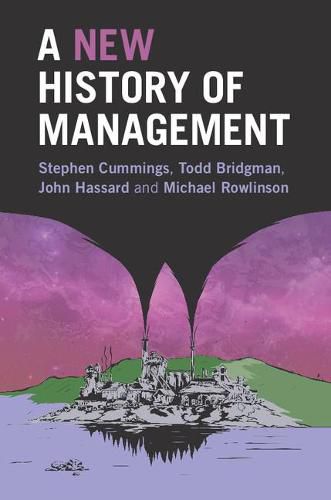
Existing narratives about how we should organize are built upon, and reinforce, a concept of ‘good management’ derived from what is assumed to be a fundamental need to increase efficiency. But this assumption is based on a presentist, monocultural, and generally limited view of management’s past. A New History of Management disputes these foundations. By reassessing conventional perspectives on past management theories and providing a new critical outline of present-day management, it highlights alternative conceptions of ‘good management’ focused on ethical aims, sustainability, and alternative views of good practice. From this new historical perspective, existing assumptions can be countered and simplistic views disputed, offering a platform from which graduate students, researchers, and reflective practitioners can develop alternative approaches for managing and organizing in the twenty-first century.
$9.00 standard shipping within Australia
FREE standard shipping within Australia for orders over $100.00
Express & International shipping calculated at checkout
Stock availability can be subject to change without notice. We recommend calling the shop or contacting our online team to check availability of low stock items. Please see our Shopping Online page for more details.
Existing narratives about how we should organize are built upon, and reinforce, a concept of ‘good management’ derived from what is assumed to be a fundamental need to increase efficiency. But this assumption is based on a presentist, monocultural, and generally limited view of management’s past. A New History of Management disputes these foundations. By reassessing conventional perspectives on past management theories and providing a new critical outline of present-day management, it highlights alternative conceptions of ‘good management’ focused on ethical aims, sustainability, and alternative views of good practice. From this new historical perspective, existing assumptions can be countered and simplistic views disputed, offering a platform from which graduate students, researchers, and reflective practitioners can develop alternative approaches for managing and organizing in the twenty-first century.
Search our extensive online catalogue.
