Readings Newsletter
Become a Readings Member to make your shopping experience even easier.
Sign in or sign up for free!
You’re not far away from qualifying for FREE standard shipping within Australia
You’ve qualified for FREE standard shipping within Australia
The cart is loading…


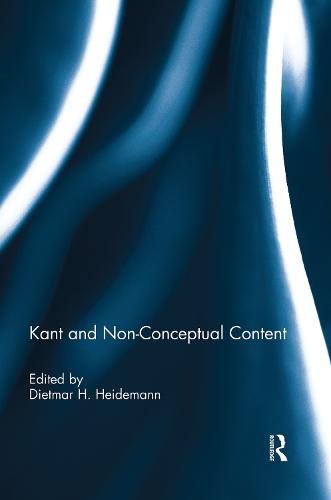
Conceptualism is the view that cognizers can have mental representations of the world only if they possess the adequate concepts by means of which they can specify what they represent. By contrast, non-conceptualism is the view that mental representations of the world do not necessarily presuppose concepts by means of which the content of these representations can be specified, thus cognizers can have mental representations of the world that are non-conceptual. Consequently, if conceptualism is true then non-conceptualism must be false, and vice versa. This incompatibility makes the current debate over conceptualism and non-conceptualism a fundamental controversy since the range of conceptual capacities that cognizers have certainly has an impact on their mental representations of the world, on how sense perception is structured, and how external world beliefs are justified.
Conceptualists and non-conceptualists alike refer to Kant as the major authoritative reference point from which they start and develop their arguments. The appeal to Kant attempts to pave the way for a robust answer to the question of whether or not there is non-conceptual content. Since the incompatibility of the conceptualist and non-conceptualist readings of Kant indicate a paradigm case, hopes have risen that the answer to the question of whether Kant is a conceptualist or a non-conceptualist might settle the contemporary controversy across the board. This volume searches for that answer.
This book is based on a special issue of the International Journal of Philosophical Studies.
$9.00 standard shipping within Australia
FREE standard shipping within Australia for orders over $100.00
Express & International shipping calculated at checkout
Stock availability can be subject to change without notice. We recommend calling the shop or contacting our online team to check availability of low stock items. Please see our Shopping Online page for more details.
Conceptualism is the view that cognizers can have mental representations of the world only if they possess the adequate concepts by means of which they can specify what they represent. By contrast, non-conceptualism is the view that mental representations of the world do not necessarily presuppose concepts by means of which the content of these representations can be specified, thus cognizers can have mental representations of the world that are non-conceptual. Consequently, if conceptualism is true then non-conceptualism must be false, and vice versa. This incompatibility makes the current debate over conceptualism and non-conceptualism a fundamental controversy since the range of conceptual capacities that cognizers have certainly has an impact on their mental representations of the world, on how sense perception is structured, and how external world beliefs are justified.
Conceptualists and non-conceptualists alike refer to Kant as the major authoritative reference point from which they start and develop their arguments. The appeal to Kant attempts to pave the way for a robust answer to the question of whether or not there is non-conceptual content. Since the incompatibility of the conceptualist and non-conceptualist readings of Kant indicate a paradigm case, hopes have risen that the answer to the question of whether Kant is a conceptualist or a non-conceptualist might settle the contemporary controversy across the board. This volume searches for that answer.
This book is based on a special issue of the International Journal of Philosophical Studies.
Search our extensive online catalogue.
