Readings Newsletter
Become a Readings Member to make your shopping experience even easier.
Sign in or sign up for free!
You’re not far away from qualifying for FREE standard shipping within Australia
You’ve qualified for FREE standard shipping within Australia
The cart is loading…


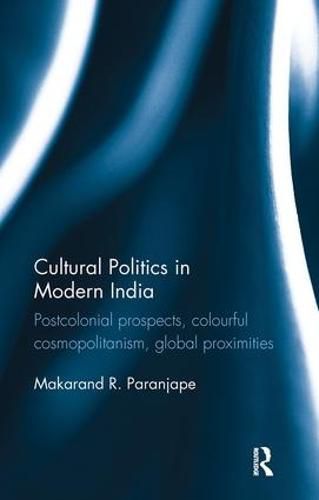
India’s global proximities derive in good measure from its struggle against British imperialism. In its efforts to become a nation, India turned modern in its own unusual way. At the heart of this metamorphosis was a colourful cosmopolitanism, the unique manner in which India made the world its neighbourhood. The most creative thinkers and leaders of that period reimagined diverse horizons. They collaborated not only in widespread anti-colonial struggles but also in articulating the vision of alter-globalization, universalism, and cosmopolitanism. This book, in revealing this dimension, offers new and original interpretations of figures such as Kant, Tagore, Heidegger, Gandhi, Aurobindo, Gebser, Kosambi, Narayan, Ezekiel, and Spivak. It also analyses cultural and aesthetic phenomena, from the rasa theory to Bollywood cinema, explaining how Indian ideas, texts, and cultural expressions interacted with a wider world and contributed to the making of modern India.
$9.00 standard shipping within Australia
FREE standard shipping within Australia for orders over $100.00
Express & International shipping calculated at checkout
Stock availability can be subject to change without notice. We recommend calling the shop or contacting our online team to check availability of low stock items. Please see our Shopping Online page for more details.
India’s global proximities derive in good measure from its struggle against British imperialism. In its efforts to become a nation, India turned modern in its own unusual way. At the heart of this metamorphosis was a colourful cosmopolitanism, the unique manner in which India made the world its neighbourhood. The most creative thinkers and leaders of that period reimagined diverse horizons. They collaborated not only in widespread anti-colonial struggles but also in articulating the vision of alter-globalization, universalism, and cosmopolitanism. This book, in revealing this dimension, offers new and original interpretations of figures such as Kant, Tagore, Heidegger, Gandhi, Aurobindo, Gebser, Kosambi, Narayan, Ezekiel, and Spivak. It also analyses cultural and aesthetic phenomena, from the rasa theory to Bollywood cinema, explaining how Indian ideas, texts, and cultural expressions interacted with a wider world and contributed to the making of modern India.
Search our extensive online catalogue.
