Readings Newsletter
Become a Readings Member to make your shopping experience even easier.
Sign in or sign up for free!
You’re not far away from qualifying for FREE standard shipping within Australia
You’ve qualified for FREE standard shipping within Australia
The cart is loading…


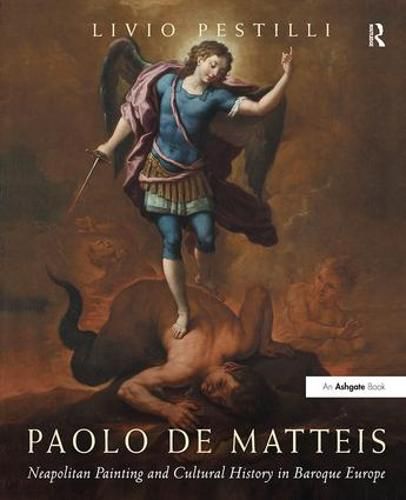
This volume represents a long overdue reassessment of the Neapolitan painter Paolo de Matteis, an artist largely overlooked in English language scholarly publications, but one who merits our attention for the quality of his work and the originality of its iconography, as well as for his remarkable ability to respond creatively to his patrons’ aesthetic ideals and agendas. Following a meticulous examination of the ways in which posterity’s impression of de Matteis has been conditioned by a biased biographical and literary tradition, Livio Pestilli devotes rich, detailed analyses to the artist’s most significant paintings and drawings. More than just a novel approach to de Matteis and the Neapolitan Baroque, however, the book makes a significant contribution to the study and understanding of early eighteenth-century European art and cultural history in general, not only in Naples but in other major European centers, including Paris, Vienna, Genoa, and Rome.
$9.00 standard shipping within Australia
FREE standard shipping within Australia for orders over $100.00
Express & International shipping calculated at checkout
Stock availability can be subject to change without notice. We recommend calling the shop or contacting our online team to check availability of low stock items. Please see our Shopping Online page for more details.
This volume represents a long overdue reassessment of the Neapolitan painter Paolo de Matteis, an artist largely overlooked in English language scholarly publications, but one who merits our attention for the quality of his work and the originality of its iconography, as well as for his remarkable ability to respond creatively to his patrons’ aesthetic ideals and agendas. Following a meticulous examination of the ways in which posterity’s impression of de Matteis has been conditioned by a biased biographical and literary tradition, Livio Pestilli devotes rich, detailed analyses to the artist’s most significant paintings and drawings. More than just a novel approach to de Matteis and the Neapolitan Baroque, however, the book makes a significant contribution to the study and understanding of early eighteenth-century European art and cultural history in general, not only in Naples but in other major European centers, including Paris, Vienna, Genoa, and Rome.
Search our extensive online catalogue.
