Readings Newsletter
Become a Readings Member to make your shopping experience even easier.
Sign in or sign up for free!
You’re not far away from qualifying for FREE standard shipping within Australia
You’ve qualified for FREE standard shipping within Australia
The cart is loading…


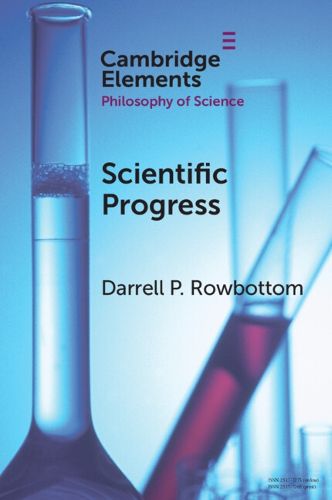
What constitutes cognitive scientific progress? This Element begins with an extensive survey of the contemporary debate on how to answer this question. It provides a blow-by-blow critical summary of the key literature on the issue over the past fifteen years, covering the central positions and arguments therein. It also draws upon older literature, where appropriate, to inform the treatment. The Element then enters novel territory by considering meta-normative issues concerning scientific progress. It focuses on how the standards involved in assessing progress arise. Does science have aims, which determine what counts as progress, as many authors assume? If so, what is it to be an aim of science? And how does one identify such things? If not, how do normative standards arise? After arguing that science does not have overarching aims, the Element proposes that the standards are ultimately subjective.
$9.00 standard shipping within Australia
FREE standard shipping within Australia for orders over $100.00
Express & International shipping calculated at checkout
Stock availability can be subject to change without notice. We recommend calling the shop or contacting our online team to check availability of low stock items. Please see our Shopping Online page for more details.
What constitutes cognitive scientific progress? This Element begins with an extensive survey of the contemporary debate on how to answer this question. It provides a blow-by-blow critical summary of the key literature on the issue over the past fifteen years, covering the central positions and arguments therein. It also draws upon older literature, where appropriate, to inform the treatment. The Element then enters novel territory by considering meta-normative issues concerning scientific progress. It focuses on how the standards involved in assessing progress arise. Does science have aims, which determine what counts as progress, as many authors assume? If so, what is it to be an aim of science? And how does one identify such things? If not, how do normative standards arise? After arguing that science does not have overarching aims, the Element proposes that the standards are ultimately subjective.
Search our extensive online catalogue.
