Readings Newsletter
Become a Readings Member to make your shopping experience even easier.
Sign in or sign up for free!
You’re not far away from qualifying for FREE standard shipping within Australia
You’ve qualified for FREE standard shipping within Australia
The cart is loading…


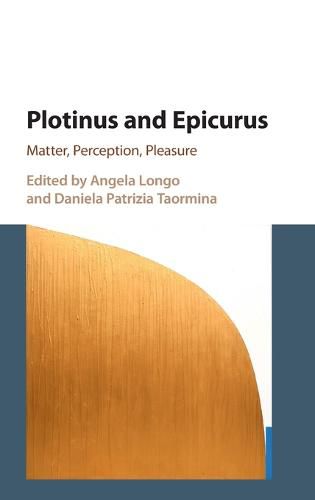
This volume investigates the reasons why Plotinus, a philosopher inspired by Plato, made critical use of Epicurean philosophy. Eminent scholars show that some fundamental Epicurean conceptions pertaining to ethics, physics, epistemology and theology are drawn upon in the Enneads to discuss crucial notions such as pleasure and happiness, providence and fate, matter and the role of sense perception, intuition and intellectual evidence in relation to the process of knowledge acquisition. By focusing on the meaning of these terms in Epicureanism, Plotinus deploys sophisticated methods of comparative analysis and argumentative procedures that ultimately lead him to approach certain aspects of Epicurus’ philosophy as a benchmark for his own theories and to accept, reject or discredit the positions of authors of his own day. At the same time, these discussions reveal what aspects of Epicurean philosophy were still perceived to be of vital relevance in the third century AD.
$9.00 standard shipping within Australia
FREE standard shipping within Australia for orders over $100.00
Express & International shipping calculated at checkout
Stock availability can be subject to change without notice. We recommend calling the shop or contacting our online team to check availability of low stock items. Please see our Shopping Online page for more details.
This volume investigates the reasons why Plotinus, a philosopher inspired by Plato, made critical use of Epicurean philosophy. Eminent scholars show that some fundamental Epicurean conceptions pertaining to ethics, physics, epistemology and theology are drawn upon in the Enneads to discuss crucial notions such as pleasure and happiness, providence and fate, matter and the role of sense perception, intuition and intellectual evidence in relation to the process of knowledge acquisition. By focusing on the meaning of these terms in Epicureanism, Plotinus deploys sophisticated methods of comparative analysis and argumentative procedures that ultimately lead him to approach certain aspects of Epicurus’ philosophy as a benchmark for his own theories and to accept, reject or discredit the positions of authors of his own day. At the same time, these discussions reveal what aspects of Epicurean philosophy were still perceived to be of vital relevance in the third century AD.
Search our extensive online catalogue.
