Readings Newsletter
Become a Readings Member to make your shopping experience even easier.
Sign in or sign up for free!
You’re not far away from qualifying for FREE standard shipping within Australia
You’ve qualified for FREE standard shipping within Australia
The cart is loading…


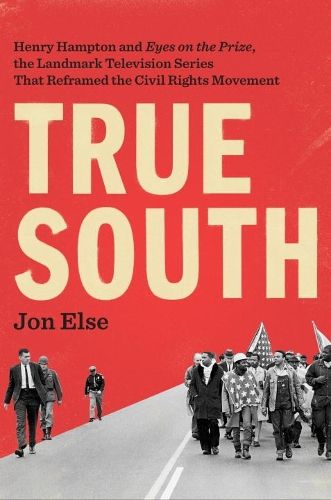
The inside story of the making of one of the most important and influential TV shows in history and of its legacy as the film that reframed of the entire history of the Civil Rights movement permanently. To be published on the 30th anniversary of the initial broadcast
Henry Hampton’s 1987 landmark multipart television series Eyes On The Prize, an eloquent, plainspoken chronicle of the civil rights movement, is now the classic narrative of that history. Before Hampton, the movement’s history been written or filmed by whites and weighted heavily toward Dr. King’s telegenic leadership. Eyes told the story from the point of view of ordinary people inside the civil rights movement–the fan ladies and ordinary world parishioners, mostly African American. Hampton shifted the focus from victimization to strength, from white saviors to black courage. He recovered and permanently fixed the images we now all remember (but had been lost at the time)-Selma and Montgomery, pickets and firehoses, ballot boxes and mass meetings.
Jon Else was Hampton’s series producer, and his moving book focuses on the tumultuous 18 months in 1985 and 1986 when Eyes was finally created, a point where many wires cross- the new telling of African American history, the complex mechanics of documentary making, the rise of social justice film, the politics of television (The Boston Globe and The New York Times published articles about Hampton’s bitter funding problems, in which they named major foundations and corporations that had declined to support his telling the civil rights story.) And because Else, like Hampton and many of the key staffers, was himself a veteran of the movement, his book braids together battle tales from their own experiences as civil rights workers in the South in the 1960s.
Eyes re-introduced Emmett Till to a world that had forgotten him and showed us the guts it took to cross the Edmund Pettus Bridge in Selma, Alabama, or walk up the school steps in Little Rock, Arkansas. It chronicled that great expansion of American democracy through legal victories, direct action, voter registration, and legislation. Hampton was not afraid to show the movement’s raw realities- conflicts between secular and religious leaders, the shift toward black power and armed black resistance in the face of savage white violence. It is all on the screen, and the fight to get it all into the films was at times as ferocious as the history being depicted. Henry Hampton utterly changed the way social history is told, taught, and remembered today.
$9.00 standard shipping within Australia
FREE standard shipping within Australia for orders over $100.00
Express & International shipping calculated at checkout
Stock availability can be subject to change without notice. We recommend calling the shop or contacting our online team to check availability of low stock items. Please see our Shopping Online page for more details.
The inside story of the making of one of the most important and influential TV shows in history and of its legacy as the film that reframed of the entire history of the Civil Rights movement permanently. To be published on the 30th anniversary of the initial broadcast
Henry Hampton’s 1987 landmark multipart television series Eyes On The Prize, an eloquent, plainspoken chronicle of the civil rights movement, is now the classic narrative of that history. Before Hampton, the movement’s history been written or filmed by whites and weighted heavily toward Dr. King’s telegenic leadership. Eyes told the story from the point of view of ordinary people inside the civil rights movement–the fan ladies and ordinary world parishioners, mostly African American. Hampton shifted the focus from victimization to strength, from white saviors to black courage. He recovered and permanently fixed the images we now all remember (but had been lost at the time)-Selma and Montgomery, pickets and firehoses, ballot boxes and mass meetings.
Jon Else was Hampton’s series producer, and his moving book focuses on the tumultuous 18 months in 1985 and 1986 when Eyes was finally created, a point where many wires cross- the new telling of African American history, the complex mechanics of documentary making, the rise of social justice film, the politics of television (The Boston Globe and The New York Times published articles about Hampton’s bitter funding problems, in which they named major foundations and corporations that had declined to support his telling the civil rights story.) And because Else, like Hampton and many of the key staffers, was himself a veteran of the movement, his book braids together battle tales from their own experiences as civil rights workers in the South in the 1960s.
Eyes re-introduced Emmett Till to a world that had forgotten him and showed us the guts it took to cross the Edmund Pettus Bridge in Selma, Alabama, or walk up the school steps in Little Rock, Arkansas. It chronicled that great expansion of American democracy through legal victories, direct action, voter registration, and legislation. Hampton was not afraid to show the movement’s raw realities- conflicts between secular and religious leaders, the shift toward black power and armed black resistance in the face of savage white violence. It is all on the screen, and the fight to get it all into the films was at times as ferocious as the history being depicted. Henry Hampton utterly changed the way social history is told, taught, and remembered today.
Search our extensive online catalogue.
