Readings Newsletter
Become a Readings Member to make your shopping experience even easier.
Sign in or sign up for free!
You’re not far away from qualifying for FREE standard shipping within Australia
You’ve qualified for FREE standard shipping within Australia
The cart is loading…


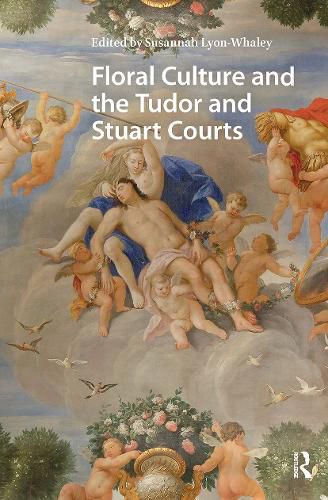
At court, flowers coloured, scented, adorned, sustained, nourished, and enthralled. These interdisciplinary essays engage with flowers as real, artificial, and represented objects across the Tudor and Stuart courts in gardens, literature, painting, interior furnishing, garments, and as jewels, medicine, and food. Situating this burgeoning floral culture within a European floral revolution of science, natural history, global trade, and colonial expansion, they reveal the court's distinctive floral identity and history. If the rose operated as a particularly English lingua franca of royal power across two dynasties, this volume sheds light on an array of wild and garden flowers to offer an immersive picture of how the Tudor and Stuart courts lived and functioned, styled and displayed themselves through flowers. It contributes to a revival of interest in the early modern green world and provides a focused view of a court and court culture that used and revelled in blooms. * interdisciplinary-this collection incorporates interdisciplinary perspectives and methods, taking a broad view of flowers' role in material, visual and literary culture, thereby forging a 'world view' of flowers at the English court and appealing to a range of scholars * social and cultural relevance-the collection addresses the natural world and people's relationships with it, topics foregrounded in modern social and cultural debates, as well as intersecting with other areas of continued relevance and interest such as soft power, consumer culture, gender, and globalisation. * groundbreaking-first publication to directly address flowers within court culture. In doing so it unites traditional topics of interest such as art and architecture with newer areas of interest that focus on transient items such as medical preparations and scent.
$9.00 standard shipping within Australia
FREE standard shipping within Australia for orders over $100.00
Express & International shipping calculated at checkout
Stock availability can be subject to change without notice. We recommend calling the shop or contacting our online team to check availability of low stock items. Please see our Shopping Online page for more details.
At court, flowers coloured, scented, adorned, sustained, nourished, and enthralled. These interdisciplinary essays engage with flowers as real, artificial, and represented objects across the Tudor and Stuart courts in gardens, literature, painting, interior furnishing, garments, and as jewels, medicine, and food. Situating this burgeoning floral culture within a European floral revolution of science, natural history, global trade, and colonial expansion, they reveal the court's distinctive floral identity and history. If the rose operated as a particularly English lingua franca of royal power across two dynasties, this volume sheds light on an array of wild and garden flowers to offer an immersive picture of how the Tudor and Stuart courts lived and functioned, styled and displayed themselves through flowers. It contributes to a revival of interest in the early modern green world and provides a focused view of a court and court culture that used and revelled in blooms. * interdisciplinary-this collection incorporates interdisciplinary perspectives and methods, taking a broad view of flowers' role in material, visual and literary culture, thereby forging a 'world view' of flowers at the English court and appealing to a range of scholars * social and cultural relevance-the collection addresses the natural world and people's relationships with it, topics foregrounded in modern social and cultural debates, as well as intersecting with other areas of continued relevance and interest such as soft power, consumer culture, gender, and globalisation. * groundbreaking-first publication to directly address flowers within court culture. In doing so it unites traditional topics of interest such as art and architecture with newer areas of interest that focus on transient items such as medical preparations and scent.
Search our extensive online catalogue.
