Readings Newsletter
Become a Readings Member to make your shopping experience even easier.
Sign in or sign up for free!
You’re not far away from qualifying for FREE standard shipping within Australia
You’ve qualified for FREE standard shipping within Australia
The cart is loading…


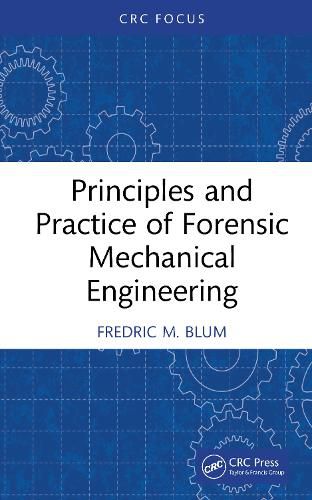
Principles and Practice of Forensic Mechanical Engineering explains the physical processes and causes of failures that result in physical or bodily damage. It discusses the nature of defects and defines the three types - design defects, manufacturing defects and service defects - with supporting examples of each.
Drawing on the author's decades of experience, the book advises mechanical engineers how to investigate the cause of an incident, evaluate responsibility and prepare a report of the results. Rather than focusing solely on theoretical aspects of physics or chemistry, readers will learn how physical and chemical principles can be applied to solve real-world cases. Through numerous examples, the book emphasizes the need for not only technical knowledge but also thinking outside the box to resolve challenging cases.
This book supplies essential knowledge about forensic procedures to help mechanical engineers become involved in and efficiently practice forensics.
$9.00 standard shipping within Australia
FREE standard shipping within Australia for orders over $100.00
Express & International shipping calculated at checkout
Stock availability can be subject to change without notice. We recommend calling the shop or contacting our online team to check availability of low stock items. Please see our Shopping Online page for more details.
Principles and Practice of Forensic Mechanical Engineering explains the physical processes and causes of failures that result in physical or bodily damage. It discusses the nature of defects and defines the three types - design defects, manufacturing defects and service defects - with supporting examples of each.
Drawing on the author's decades of experience, the book advises mechanical engineers how to investigate the cause of an incident, evaluate responsibility and prepare a report of the results. Rather than focusing solely on theoretical aspects of physics or chemistry, readers will learn how physical and chemical principles can be applied to solve real-world cases. Through numerous examples, the book emphasizes the need for not only technical knowledge but also thinking outside the box to resolve challenging cases.
This book supplies essential knowledge about forensic procedures to help mechanical engineers become involved in and efficiently practice forensics.
Search our extensive online catalogue.
