Readings Newsletter
Become a Readings Member to make your shopping experience even easier.
Sign in or sign up for free!
You’re not far away from qualifying for FREE standard shipping within Australia
You’ve qualified for FREE standard shipping within Australia
The cart is loading…


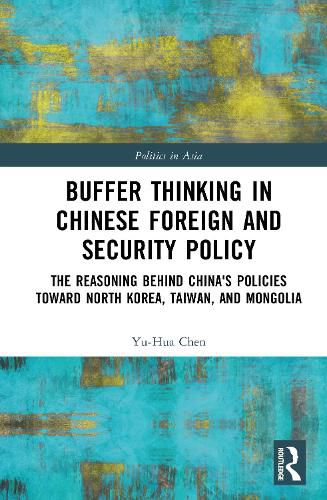
Chen examines China's unwavering foreign policy toward North Korea, Taiwan, and Mongolia, challenging conventional international relations theory. He introduces "buffer thinking"-a geopolitical mentality driving China to secure peripheral territories against potential rivals regardless of global power shifts.
Drawing from extensive historical evidence spanning decades, this book demonstrates how buffer thinking functions as an intervening variable that mediates the effects of systemic polarity changes on state behavior. The analysis reveals how this defensive mindset-synthesizing geographical sensitivity, threat perception, and traumatic historical memories-creates a security perimeter extending beyond China's borders. By blending realist perspectives with constructivist insights, it offers a nuanced theoretical framework explaining why China's behavior toward these three states remains "territorially conditional."
This is essential reading for international relations scholars and students of geopolitics seeking fresh analytical approaches to buffer state dynamics. It is also a valuable resource for policymakers and diplomats engaged with East Asian security issues who need insights into China's strategic calculations in contemporary great power competition.
$9.00 standard shipping within Australia
FREE standard shipping within Australia for orders over $100.00
Express & International shipping calculated at checkout
Stock availability can be subject to change without notice. We recommend calling the shop or contacting our online team to check availability of low stock items. Please see our Shopping Online page for more details.
Chen examines China's unwavering foreign policy toward North Korea, Taiwan, and Mongolia, challenging conventional international relations theory. He introduces "buffer thinking"-a geopolitical mentality driving China to secure peripheral territories against potential rivals regardless of global power shifts.
Drawing from extensive historical evidence spanning decades, this book demonstrates how buffer thinking functions as an intervening variable that mediates the effects of systemic polarity changes on state behavior. The analysis reveals how this defensive mindset-synthesizing geographical sensitivity, threat perception, and traumatic historical memories-creates a security perimeter extending beyond China's borders. By blending realist perspectives with constructivist insights, it offers a nuanced theoretical framework explaining why China's behavior toward these three states remains "territorially conditional."
This is essential reading for international relations scholars and students of geopolitics seeking fresh analytical approaches to buffer state dynamics. It is also a valuable resource for policymakers and diplomats engaged with East Asian security issues who need insights into China's strategic calculations in contemporary great power competition.
Search our extensive online catalogue.
