Readings Newsletter
Become a Readings Member to make your shopping experience even easier.
Sign in or sign up for free!
You’re not far away from qualifying for FREE standard shipping within Australia
You’ve qualified for FREE standard shipping within Australia
The cart is loading…


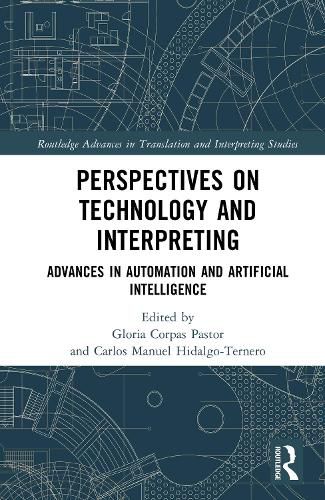
This volume provides a timely and authoritative account of how digital innovation, automation, and artificial intelligence are reshaping interpreting. Once considered a peripheral aid, technology now stands at the centre of professional practice, influencing how interpreters prepare, perform, and reflect on their work.
Organised into four thematic sections, the volume explores the integration of language technologies, AI-driven tools, and computer-assisted and remote interpreting systems. Leading international contributors examine how digital resources are transforming interpreter education, performance, and research, while redefining professional identity and cognitive practice.
Combining theoretical insight with empirical evidence, the collection offers a concise roadmap to the profession's rapid technologisation. It is essential reading for researchers, educators, students, and professionals in translation and interpreting studies who wish to understand how human expertise and artificial intelligence interact in shaping the future of multilingual communication.
$9.00 standard shipping within Australia
FREE standard shipping within Australia for orders over $100.00
Express & International shipping calculated at checkout
Stock availability can be subject to change without notice. We recommend calling the shop or contacting our online team to check availability of low stock items. Please see our Shopping Online page for more details.
This volume provides a timely and authoritative account of how digital innovation, automation, and artificial intelligence are reshaping interpreting. Once considered a peripheral aid, technology now stands at the centre of professional practice, influencing how interpreters prepare, perform, and reflect on their work.
Organised into four thematic sections, the volume explores the integration of language technologies, AI-driven tools, and computer-assisted and remote interpreting systems. Leading international contributors examine how digital resources are transforming interpreter education, performance, and research, while redefining professional identity and cognitive practice.
Combining theoretical insight with empirical evidence, the collection offers a concise roadmap to the profession's rapid technologisation. It is essential reading for researchers, educators, students, and professionals in translation and interpreting studies who wish to understand how human expertise and artificial intelligence interact in shaping the future of multilingual communication.
Search our extensive online catalogue.
