Readings Newsletter
Become a Readings Member to make your shopping experience even easier.
Sign in or sign up for free!
You’re not far away from qualifying for FREE standard shipping within Australia
You’ve qualified for FREE standard shipping within Australia
The cart is loading…


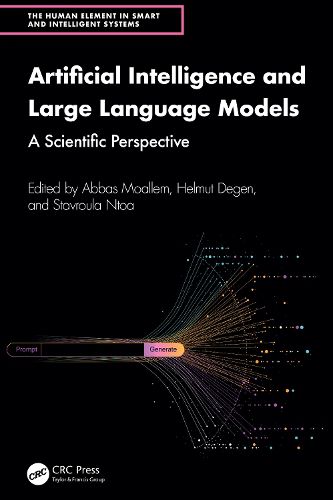
With the latest developments in generative artificial intelligence (AI) and large language model (LLM) applications, like ChatGPT and Gemini, millions of people have started using them in their personal and professional lives. Interest in them continues to grow and they are becoming the go-to applications for students, academics, engineers, lawyers, designers, writers, media experts, programmers, politicians, artists, and citizens across the globe. However, understanding these applications can be technical with precious little advice out there. This book cuts through the jargon to explain the "what", "why" and "how" of generative AI and LLM applications.
This book summarizes experiences from a variety of applications, relevant to our daily lives. It brings together scientifically grounded experience reports from different perspectives into a one-stop title. With an international outlook and featuring global case studies, it offers insights into the beneficial use of LLMs and generative AI including future trends for how the journey of using such amazing tools will continue in the future. This book details the history of AI, reviews LLM literature, and covers neural computing and the technical foundation of LLMs. Furthermore, the use and control of LLMs in education are covered. Through reading this book, the reader will develop a full understanding of AI and LLM applications, including knowledge of the key issues of trust, legality, security and technical foundations.
Artificial Intelligence and Large Language Models: A Scientific Perspective will appeal to students and academics, as well as people interested in the use of LLMs and generative AI for professional or everyday tasks, including those in Human Factors, Human-Computer Interaction, Computer Science, Software Engineering and Industrial Engineering.
$9.00 standard shipping within Australia
FREE standard shipping within Australia for orders over $100.00
Express & International shipping calculated at checkout
Stock availability can be subject to change without notice. We recommend calling the shop or contacting our online team to check availability of low stock items. Please see our Shopping Online page for more details.
With the latest developments in generative artificial intelligence (AI) and large language model (LLM) applications, like ChatGPT and Gemini, millions of people have started using them in their personal and professional lives. Interest in them continues to grow and they are becoming the go-to applications for students, academics, engineers, lawyers, designers, writers, media experts, programmers, politicians, artists, and citizens across the globe. However, understanding these applications can be technical with precious little advice out there. This book cuts through the jargon to explain the "what", "why" and "how" of generative AI and LLM applications.
This book summarizes experiences from a variety of applications, relevant to our daily lives. It brings together scientifically grounded experience reports from different perspectives into a one-stop title. With an international outlook and featuring global case studies, it offers insights into the beneficial use of LLMs and generative AI including future trends for how the journey of using such amazing tools will continue in the future. This book details the history of AI, reviews LLM literature, and covers neural computing and the technical foundation of LLMs. Furthermore, the use and control of LLMs in education are covered. Through reading this book, the reader will develop a full understanding of AI and LLM applications, including knowledge of the key issues of trust, legality, security and technical foundations.
Artificial Intelligence and Large Language Models: A Scientific Perspective will appeal to students and academics, as well as people interested in the use of LLMs and generative AI for professional or everyday tasks, including those in Human Factors, Human-Computer Interaction, Computer Science, Software Engineering and Industrial Engineering.
Search our extensive online catalogue.
