Readings Newsletter
Become a Readings Member to make your shopping experience even easier.
Sign in or sign up for free!
You’re not far away from qualifying for FREE standard shipping within Australia
You’ve qualified for FREE standard shipping within Australia
The cart is loading…


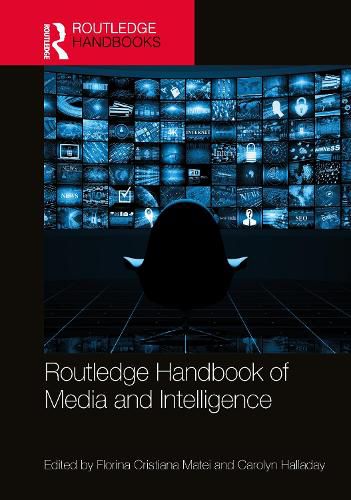
This handbook examines media portrayals of intelligence institutions, cultures and conduct in various political regimes, showing how they inflect and reflect public views of the intelligence community.
Specifically, this volume assesses how popular media portrayals of intelligence agencies influences such realms as public perception, opinion, and support of intelligence; recruitment endeavours; democratic transformation of intelligence services; transparency versus secrecy; outreach and messaging efforts; and intelligence interagency sharing, cooperation and collaboration, both domestically and internationally. The book chapters are divided into three thematic sections:
Section I: Theoretical Concepts
Section II: Case Studies of Non-Democratic or Nominally Democratic Regimes
Section III: Case Studies of Consolidated and Consolidating Democracies
The volume also looks toward newer and emerging media around the world to explore ways in which both the intelligence sector and its image in media and popular culture may be changing.
Filling a clear gap in the literature, this book will be of much interest to students of intelligence studies, media and communication studies, national security and International Relations.
$9.00 standard shipping within Australia
FREE standard shipping within Australia for orders over $100.00
Express & International shipping calculated at checkout
Stock availability can be subject to change without notice. We recommend calling the shop or contacting our online team to check availability of low stock items. Please see our Shopping Online page for more details.
This handbook examines media portrayals of intelligence institutions, cultures and conduct in various political regimes, showing how they inflect and reflect public views of the intelligence community.
Specifically, this volume assesses how popular media portrayals of intelligence agencies influences such realms as public perception, opinion, and support of intelligence; recruitment endeavours; democratic transformation of intelligence services; transparency versus secrecy; outreach and messaging efforts; and intelligence interagency sharing, cooperation and collaboration, both domestically and internationally. The book chapters are divided into three thematic sections:
Section I: Theoretical Concepts
Section II: Case Studies of Non-Democratic or Nominally Democratic Regimes
Section III: Case Studies of Consolidated and Consolidating Democracies
The volume also looks toward newer and emerging media around the world to explore ways in which both the intelligence sector and its image in media and popular culture may be changing.
Filling a clear gap in the literature, this book will be of much interest to students of intelligence studies, media and communication studies, national security and International Relations.
Search our extensive online catalogue.
