Readings Newsletter
Become a Readings Member to make your shopping experience even easier.
Sign in or sign up for free!
You’re not far away from qualifying for FREE standard shipping within Australia
You’ve qualified for FREE standard shipping within Australia
The cart is loading…


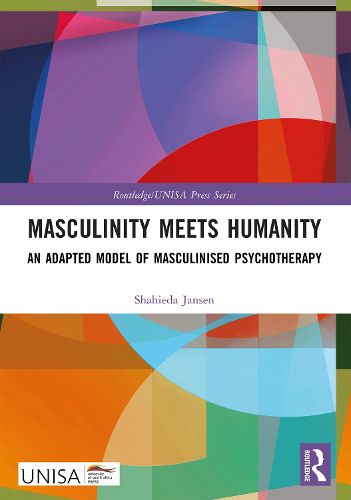
In this book the author, a clinical psychologist, reflects on her psychotherapy experiences with male clients as she debunks the myth of male alexithymia, the inability to recognise and express emotions. Men are apparently disengaged from wellness practices as they are perceived to be reluctant to seek mental health care.
An ubuntu-inspired personhood discourse of trust, empathy and transformation theoretically underpins the author's clinical practice. The integration of the culturally familiar philosophy of ubuntu challenges the hegemony of strictly modern Western psychological discourses and theories. Although the book is not a manual for how to do therapy with men, neither a panacea for all male related challenges, it can ignite empathic insights and kindle gender sensitive responses to male concerns, locally and internationally. Women, who are frequently the targets of gender-based violence primarily committed by men, may play a significant role in the rehabilitation and healing of men. Men are usually excluded from psychosocial interventions, but this book makes the case that prioritsing the wellbeing of boys and men is critical to creating a society that is safe for everyone-men, women, children, and the broader public.
Print editions not for sale in Sub-Saharan Africa.
$9.00 standard shipping within Australia
FREE standard shipping within Australia for orders over $100.00
Express & International shipping calculated at checkout
Stock availability can be subject to change without notice. We recommend calling the shop or contacting our online team to check availability of low stock items. Please see our Shopping Online page for more details.
In this book the author, a clinical psychologist, reflects on her psychotherapy experiences with male clients as she debunks the myth of male alexithymia, the inability to recognise and express emotions. Men are apparently disengaged from wellness practices as they are perceived to be reluctant to seek mental health care.
An ubuntu-inspired personhood discourse of trust, empathy and transformation theoretically underpins the author's clinical practice. The integration of the culturally familiar philosophy of ubuntu challenges the hegemony of strictly modern Western psychological discourses and theories. Although the book is not a manual for how to do therapy with men, neither a panacea for all male related challenges, it can ignite empathic insights and kindle gender sensitive responses to male concerns, locally and internationally. Women, who are frequently the targets of gender-based violence primarily committed by men, may play a significant role in the rehabilitation and healing of men. Men are usually excluded from psychosocial interventions, but this book makes the case that prioritsing the wellbeing of boys and men is critical to creating a society that is safe for everyone-men, women, children, and the broader public.
Print editions not for sale in Sub-Saharan Africa.
Search our extensive online catalogue.
