Readings Newsletter
Become a Readings Member to make your shopping experience even easier.
Sign in or sign up for free!
You’re not far away from qualifying for FREE standard shipping within Australia
You’ve qualified for FREE standard shipping within Australia
The cart is loading…


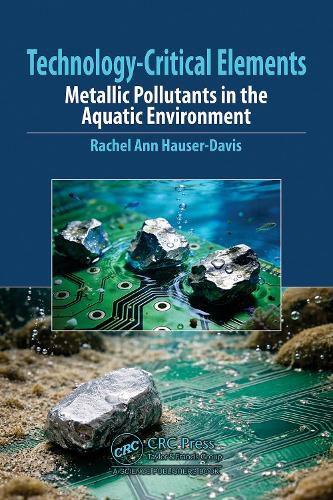
This book provides a comprehensive synthesis of technology-critical elements (TCEs) as emerging metallic pollutants in aquatic environments. It examines rare earth elements, rubidium, and platinum-group metals, detailing their technological importance, extraction pathways, environmental release, and behavior in freshwater and marine systems. Emphasis is placed on speciation, bioavailability, bioaccumulation, and ecological toxicity, as well as interactions with microplastics and climate change. By integrating geochemical, ecotoxicological, and sustainability perspectives, the book highlights critical knowledge gaps, supports risk assessment, and underscores the urgent need for responsible resource management, improved regulation, long-term monitoring, and protection of aquatic ecosystems and human health.
$9.00 standard shipping within Australia
FREE standard shipping within Australia for orders over $100.00
Express & International shipping calculated at checkout
Stock availability can be subject to change without notice. We recommend calling the shop or contacting our online team to check availability of low stock items. Please see our Shopping Online page for more details.
This book provides a comprehensive synthesis of technology-critical elements (TCEs) as emerging metallic pollutants in aquatic environments. It examines rare earth elements, rubidium, and platinum-group metals, detailing their technological importance, extraction pathways, environmental release, and behavior in freshwater and marine systems. Emphasis is placed on speciation, bioavailability, bioaccumulation, and ecological toxicity, as well as interactions with microplastics and climate change. By integrating geochemical, ecotoxicological, and sustainability perspectives, the book highlights critical knowledge gaps, supports risk assessment, and underscores the urgent need for responsible resource management, improved regulation, long-term monitoring, and protection of aquatic ecosystems and human health.
Search our extensive online catalogue.
