Readings Newsletter
Become a Readings Member to make your shopping experience even easier.
Sign in or sign up for free!
You’re not far away from qualifying for FREE standard shipping within Australia
You’ve qualified for FREE standard shipping within Australia
The cart is loading…


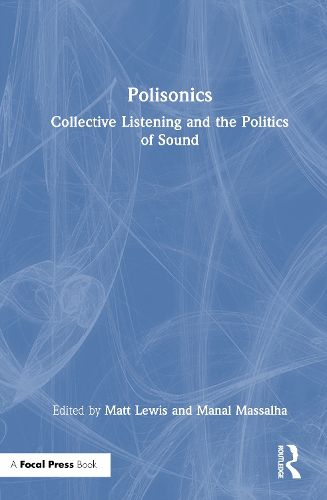
Bringing together contributors with backgrounds in ethnography, theatre, design, music, and sound, Polisonics: Collective Listening and the Politics of Sound demonstrates the importance of sound in design and how the sonic offers alternatives to dominant, singular, and technologically determined narratives.
From sonic street interventions to rural field recording, water fountains to community listening sessions and Palestinian Hip-Hop to sound for VR, this book foregrounds participatory modes of making and collective engagement, particularly those rooted in musical cultures. Examining how relational approaches to sound can help reshape paradigms and challenge systemic inequalities, build communities and resist structural injustice.
With chapters on areas including audio description, sound systems, and the use of machine listening as a tool for immigration control, Polisonics will be of interest to activists, academics, and musicians as well as those studying and working in sound design, ethnography, social justice and theatre.
$9.00 standard shipping within Australia
FREE standard shipping within Australia for orders over $100.00
Express & International shipping calculated at checkout
Stock availability can be subject to change without notice. We recommend calling the shop or contacting our online team to check availability of low stock items. Please see our Shopping Online page for more details.
Bringing together contributors with backgrounds in ethnography, theatre, design, music, and sound, Polisonics: Collective Listening and the Politics of Sound demonstrates the importance of sound in design and how the sonic offers alternatives to dominant, singular, and technologically determined narratives.
From sonic street interventions to rural field recording, water fountains to community listening sessions and Palestinian Hip-Hop to sound for VR, this book foregrounds participatory modes of making and collective engagement, particularly those rooted in musical cultures. Examining how relational approaches to sound can help reshape paradigms and challenge systemic inequalities, build communities and resist structural injustice.
With chapters on areas including audio description, sound systems, and the use of machine listening as a tool for immigration control, Polisonics will be of interest to activists, academics, and musicians as well as those studying and working in sound design, ethnography, social justice and theatre.
Search our extensive online catalogue.
