Readings Newsletter
Become a Readings Member to make your shopping experience even easier.
Sign in or sign up for free!
You’re not far away from qualifying for FREE standard shipping within Australia
You’ve qualified for FREE standard shipping within Australia
The cart is loading…


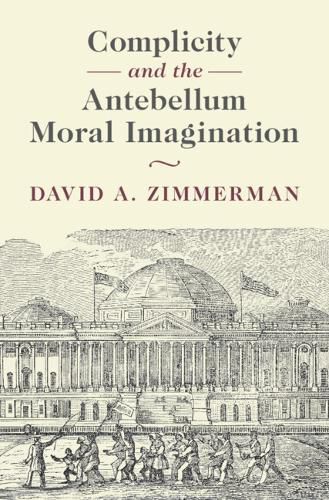
By what routes and on what grounds do moral blame and shame for social wrongs fall on individuals, groups, and institutions? To answer this question is necessarily to excite the moral imagination, to envision our moral connection to social, economic, and political harms that may appear remote or opaque. Between 1830 and 1860, American religious authorities, novelists, abolitionists, market activists, and political insiders trained this imagining. They delineated how moral complicity radiated across urban social networks, criminal conspiracies, political structures, and economic systems. In this original study, Zimmerman illuminates how new conceptions of moral complicity and participatory sin emboldened activists, animated new literary forms, sparked political controversy, and seeded a plan to racially transfigure the Atlantic economy. In media ranging from gothic convent tales to imperial trade proposals, complicity critics conjured not only the dangers but also the responsive duties and opportunities raised by new forms of sociomoral enmeshment.
$9.00 standard shipping within Australia
FREE standard shipping within Australia for orders over $100.00
Express & International shipping calculated at checkout
Stock availability can be subject to change without notice. We recommend calling the shop or contacting our online team to check availability of low stock items. Please see our Shopping Online page for more details.
By what routes and on what grounds do moral blame and shame for social wrongs fall on individuals, groups, and institutions? To answer this question is necessarily to excite the moral imagination, to envision our moral connection to social, economic, and political harms that may appear remote or opaque. Between 1830 and 1860, American religious authorities, novelists, abolitionists, market activists, and political insiders trained this imagining. They delineated how moral complicity radiated across urban social networks, criminal conspiracies, political structures, and economic systems. In this original study, Zimmerman illuminates how new conceptions of moral complicity and participatory sin emboldened activists, animated new literary forms, sparked political controversy, and seeded a plan to racially transfigure the Atlantic economy. In media ranging from gothic convent tales to imperial trade proposals, complicity critics conjured not only the dangers but also the responsive duties and opportunities raised by new forms of sociomoral enmeshment.
Search our extensive online catalogue.
