Readings Newsletter
Become a Readings Member to make your shopping experience even easier.
Sign in or sign up for free!
You’re not far away from qualifying for FREE standard shipping within Australia
You’ve qualified for FREE standard shipping within Australia
The cart is loading…


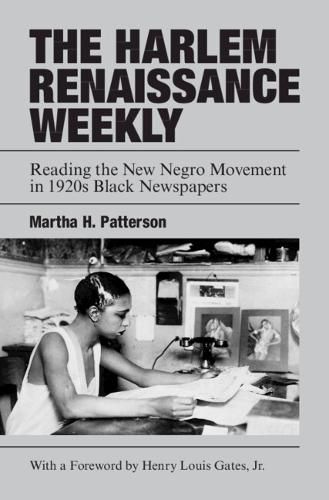
Martha H. Patterson's The Harlem Renaissance Weekly offers a groundbreaking study of the Black literary renaissance that appeared in weekly Black newspapers in the 1920s. In her richly contexualized readings, she uncovers a popular Harlem Renaissance deeply committed to political and social issues: the fight against lynching, segregation, and anti-miscegenation laws and to the challenges posed by urban vice, infidelity, and family separation during the Great Migration. Through mostly romantic plots, Black newspaper fiction writers emphasized that the cabaret and church, white and black race leader, flapper and race mother could be bridged on behalf of racial well-being and civil rights justice. As the Ku Klux Klan grew increasingly powerful, this fiction offered readers not only entertainment, but also cautionary advice, political hope, and weekly affirmation of their full humanity. With a foreword by Henry Louis Gates, Jr., this powerful study revises understanding of an important dimension of the Harlem Renaissance.
$9.00 standard shipping within Australia
FREE standard shipping within Australia for orders over $100.00
Express & International shipping calculated at checkout
Stock availability can be subject to change without notice. We recommend calling the shop or contacting our online team to check availability of low stock items. Please see our Shopping Online page for more details.
Martha H. Patterson's The Harlem Renaissance Weekly offers a groundbreaking study of the Black literary renaissance that appeared in weekly Black newspapers in the 1920s. In her richly contexualized readings, she uncovers a popular Harlem Renaissance deeply committed to political and social issues: the fight against lynching, segregation, and anti-miscegenation laws and to the challenges posed by urban vice, infidelity, and family separation during the Great Migration. Through mostly romantic plots, Black newspaper fiction writers emphasized that the cabaret and church, white and black race leader, flapper and race mother could be bridged on behalf of racial well-being and civil rights justice. As the Ku Klux Klan grew increasingly powerful, this fiction offered readers not only entertainment, but also cautionary advice, political hope, and weekly affirmation of their full humanity. With a foreword by Henry Louis Gates, Jr., this powerful study revises understanding of an important dimension of the Harlem Renaissance.
Search our extensive online catalogue.
