Readings Newsletter
Become a Readings Member to make your shopping experience even easier.
Sign in or sign up for free!
You’re not far away from qualifying for FREE standard shipping within Australia
You’ve qualified for FREE standard shipping within Australia
The cart is loading…


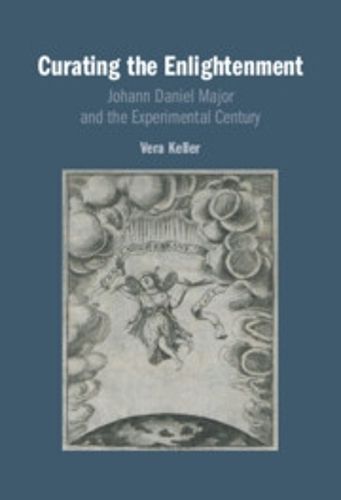
How did the research universities of the Enlightenment come into being? And what debt do they owe to scholars of the previous era? Focusing on the career of German polymath Johann Daniel Major (1634-93), Curating the Enlightenment uncovers how late seventeenth-century scholars crafted the research university as a haven for critical inquiry in defiance of political and economic pressures. Abandoning the surety of established intellectual practice, this 'experimental century' saw Major and his peers reshaping fragments of knowledge into new perspectives. Across new disciplines, from experimental philosophy to archaeology and museology, they reexamined what knowledge was, who it was for, and how it was to be stored, managed, accessed, judged, and transformed. Although later typecast as Baroque obstacles to be overcome by the Enlightenment, these academics arranged knowledge in dynamic infrastructures that encouraged its further advancement in later generations, including our own. This study examines these seventeenth-century practices as part of a continuous intellectual tradition and reconceptualizes our understanding of the Enlightenment.
$9.00 standard shipping within Australia
FREE standard shipping within Australia for orders over $100.00
Express & International shipping calculated at checkout
Stock availability can be subject to change without notice. We recommend calling the shop or contacting our online team to check availability of low stock items. Please see our Shopping Online page for more details.
How did the research universities of the Enlightenment come into being? And what debt do they owe to scholars of the previous era? Focusing on the career of German polymath Johann Daniel Major (1634-93), Curating the Enlightenment uncovers how late seventeenth-century scholars crafted the research university as a haven for critical inquiry in defiance of political and economic pressures. Abandoning the surety of established intellectual practice, this 'experimental century' saw Major and his peers reshaping fragments of knowledge into new perspectives. Across new disciplines, from experimental philosophy to archaeology and museology, they reexamined what knowledge was, who it was for, and how it was to be stored, managed, accessed, judged, and transformed. Although later typecast as Baroque obstacles to be overcome by the Enlightenment, these academics arranged knowledge in dynamic infrastructures that encouraged its further advancement in later generations, including our own. This study examines these seventeenth-century practices as part of a continuous intellectual tradition and reconceptualizes our understanding of the Enlightenment.
Search our extensive online catalogue.
