Readings Newsletter
Become a Readings Member to make your shopping experience even easier.
Sign in or sign up for free!
You’re not far away from qualifying for FREE standard shipping within Australia
You’ve qualified for FREE standard shipping within Australia
The cart is loading…


This title is printed to order. This book may have been self-published. If so, we cannot guarantee the quality of the content. In the main most books will have gone through the editing process however some may not. We therefore suggest that you be aware of this before ordering this book. If in doubt check either the author or publisher’s details as we are unable to accept any returns unless they are faulty. Please contact us if you have any questions.
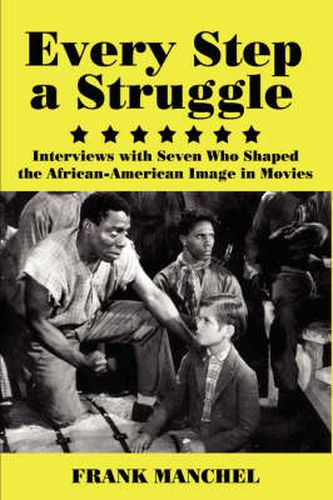
This book pays tribute to the sacrifices and achievements of seven individuals who made difficult and controversial choices to insure that black Americans shared in the evolution of the nation’s cultural heritage. Transcriptions and analyses of never-before published uncensored conversations with Lorenzo Tucker, Lillian Gish, King Vidor, Clarence Muse, Woody Strode, Charles Gordone, and Frederick Douglass O'Neal reveal many of the reasons and rationalizations behind a racist screen imagery in the first three-quarters of the twentieth century. This primary source, replete with pictures, documentation, and extensive annotations, recounts through the words of important participants what happened to many film pioneers when a new generation of African-Americans rebelled against the nation’s stereotyped film imagery. A unique historical resource, this book is a fitting tribute to these artists, reminding us of their courage, integrity, and perseverance to succeed against great odds. The thorough, meticulous annotations make it an indispensable addition to collections in film studies and African American studies. -Denise Youngblood, Professor of History,University of Vermont.
The author has taken a unique approach and may have even created a new genre of writing: the interview embellished with scholarly commentary. It is a fascinating experiment…This book belongs in every research library and in all public libraries from mid-size to large cities. It fills in lacunae between existing studies.
-Peter C. Rollins, Editor-in-Chief of Film & History.
$9.00 standard shipping within Australia
FREE standard shipping within Australia for orders over $100.00
Express & International shipping calculated at checkout
Stock availability can be subject to change without notice. We recommend calling the shop or contacting our online team to check availability of low stock items. Please see our Shopping Online page for more details.
This title is printed to order. This book may have been self-published. If so, we cannot guarantee the quality of the content. In the main most books will have gone through the editing process however some may not. We therefore suggest that you be aware of this before ordering this book. If in doubt check either the author or publisher’s details as we are unable to accept any returns unless they are faulty. Please contact us if you have any questions.
This book pays tribute to the sacrifices and achievements of seven individuals who made difficult and controversial choices to insure that black Americans shared in the evolution of the nation’s cultural heritage. Transcriptions and analyses of never-before published uncensored conversations with Lorenzo Tucker, Lillian Gish, King Vidor, Clarence Muse, Woody Strode, Charles Gordone, and Frederick Douglass O'Neal reveal many of the reasons and rationalizations behind a racist screen imagery in the first three-quarters of the twentieth century. This primary source, replete with pictures, documentation, and extensive annotations, recounts through the words of important participants what happened to many film pioneers when a new generation of African-Americans rebelled against the nation’s stereotyped film imagery. A unique historical resource, this book is a fitting tribute to these artists, reminding us of their courage, integrity, and perseverance to succeed against great odds. The thorough, meticulous annotations make it an indispensable addition to collections in film studies and African American studies. -Denise Youngblood, Professor of History,University of Vermont.
The author has taken a unique approach and may have even created a new genre of writing: the interview embellished with scholarly commentary. It is a fascinating experiment…This book belongs in every research library and in all public libraries from mid-size to large cities. It fills in lacunae between existing studies.
-Peter C. Rollins, Editor-in-Chief of Film & History.
Search our extensive online catalogue.
