Readings Newsletter
Become a Readings Member to make your shopping experience even easier.
Sign in or sign up for free!
You’re not far away from qualifying for FREE standard shipping within Australia
You’ve qualified for FREE standard shipping within Australia
The cart is loading…


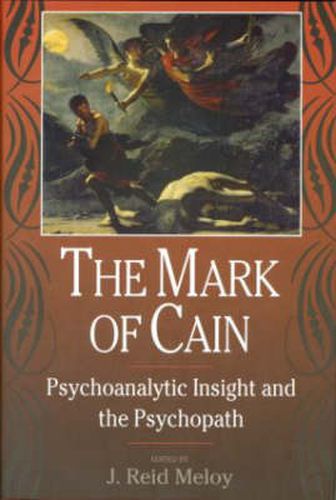
The Mark of Cain makes available for the first time the accumulated psychoanalytic understanding of the psychopathic mind. Editor Reid Meloy, a leading authority on the psychology of the psychopath, has brought together in a single collection the most historically important psychoanalytic papers on the psychopath and delineted their continuing relevance to contemporary understanding.
According to Meloy, two theoretical traditions flow into the psychoanalytic understanding of psychopathy. The first tributary focuses on the early development of the psychopath in order to illuminate how a profound alteration in self-regard leads both to a denigration of the other and to an impulsive search for gratification in the present. The second tributary seeks to locate the psychopathic miscarriage of human potentiality within analytic theories of personality structure and clinically grounded differential diagnosis. Meloy presents the major contributions associated with both of these traditions. Included within this body of literature are the original formulations of concepts that have long since become part of the psychoanalytic nomenclature: the affectionless juvenile offender, the diagnostic significance of affect hunger, the behavioral consequences of superego lacunae, the recourse to promiscuous identification in the impostor, and the paradoxically lethal lure of malignant narcissism. Of special interest are Meloy’s historical notes to each chapter and two section introductions, the latter major essays in their own right.
The explosion of empirical research on psychopathy over the past two decades masks the fact that much contemporary work in this area is grounded in the clinical formulations of leading psychoanalysts of the twentieth century. The Mark of Cain rescues this intimate understanding of the inner world of the psychopath and thereby contributes to clinical realism in the face of deception, manipulation, exploitation, and even frank dangerousness.
$9.00 standard shipping within Australia
FREE standard shipping within Australia for orders over $100.00
Express & International shipping calculated at checkout
Stock availability can be subject to change without notice. We recommend calling the shop or contacting our online team to check availability of low stock items. Please see our Shopping Online page for more details.
The Mark of Cain makes available for the first time the accumulated psychoanalytic understanding of the psychopathic mind. Editor Reid Meloy, a leading authority on the psychology of the psychopath, has brought together in a single collection the most historically important psychoanalytic papers on the psychopath and delineted their continuing relevance to contemporary understanding.
According to Meloy, two theoretical traditions flow into the psychoanalytic understanding of psychopathy. The first tributary focuses on the early development of the psychopath in order to illuminate how a profound alteration in self-regard leads both to a denigration of the other and to an impulsive search for gratification in the present. The second tributary seeks to locate the psychopathic miscarriage of human potentiality within analytic theories of personality structure and clinically grounded differential diagnosis. Meloy presents the major contributions associated with both of these traditions. Included within this body of literature are the original formulations of concepts that have long since become part of the psychoanalytic nomenclature: the affectionless juvenile offender, the diagnostic significance of affect hunger, the behavioral consequences of superego lacunae, the recourse to promiscuous identification in the impostor, and the paradoxically lethal lure of malignant narcissism. Of special interest are Meloy’s historical notes to each chapter and two section introductions, the latter major essays in their own right.
The explosion of empirical research on psychopathy over the past two decades masks the fact that much contemporary work in this area is grounded in the clinical formulations of leading psychoanalysts of the twentieth century. The Mark of Cain rescues this intimate understanding of the inner world of the psychopath and thereby contributes to clinical realism in the face of deception, manipulation, exploitation, and even frank dangerousness.
Search our extensive online catalogue.
