Readings Newsletter
Become a Readings Member to make your shopping experience even easier.
Sign in or sign up for free!
You’re not far away from qualifying for FREE standard shipping within Australia
You’ve qualified for FREE standard shipping within Australia
The cart is loading…


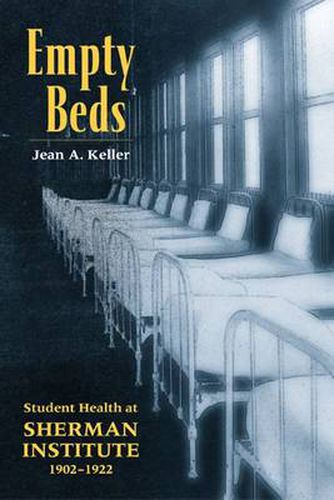
This book explores the early era of change in Indian education ideology as it pertained to student health at Sherman Institute in Southern California between 1902 and 1922. Beginning with the establishment of Carlisle Indian School in 1879, non-reservation boarding schools earned a reputation for being physically unhealthy environments for Indian children. By the turn of the century, a growing recognition of the importance of student health in Indian education began to emerge throughout the country. Unlike other non-reservation boarding schools, Sherman Institute tried to contain the devastating effects of epidemic diseases, accidents, and illnesses that were common during the early decades of the twentieth century. The fact that the student population at Sherman Institute during the period between 1902 and 1922 evidenced good health is at odds with widespread perceptions that non-reservation boarding schools essentially functioned as death factories for Native American children. This is the first comprehensive study of Indian student health at a non-reservation boarding school. Keller’s exciting and provocative new conclusions will inspire a wide range of scholarship in this hitherto bypassed field of inquiry.
$9.00 standard shipping within Australia
FREE standard shipping within Australia for orders over $100.00
Express & International shipping calculated at checkout
Stock availability can be subject to change without notice. We recommend calling the shop or contacting our online team to check availability of low stock items. Please see our Shopping Online page for more details.
This book explores the early era of change in Indian education ideology as it pertained to student health at Sherman Institute in Southern California between 1902 and 1922. Beginning with the establishment of Carlisle Indian School in 1879, non-reservation boarding schools earned a reputation for being physically unhealthy environments for Indian children. By the turn of the century, a growing recognition of the importance of student health in Indian education began to emerge throughout the country. Unlike other non-reservation boarding schools, Sherman Institute tried to contain the devastating effects of epidemic diseases, accidents, and illnesses that were common during the early decades of the twentieth century. The fact that the student population at Sherman Institute during the period between 1902 and 1922 evidenced good health is at odds with widespread perceptions that non-reservation boarding schools essentially functioned as death factories for Native American children. This is the first comprehensive study of Indian student health at a non-reservation boarding school. Keller’s exciting and provocative new conclusions will inspire a wide range of scholarship in this hitherto bypassed field of inquiry.
Search our extensive online catalogue.
