Readings Newsletter
Become a Readings Member to make your shopping experience even easier.
Sign in or sign up for free!
You’re not far away from qualifying for FREE standard shipping within Australia
You’ve qualified for FREE standard shipping within Australia
The cart is loading…


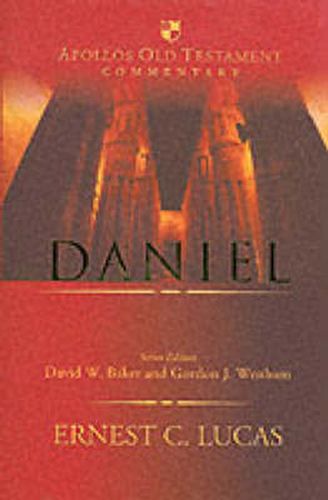
In many ways, the Old Testament book of Daniel is an enigma. It consists of two different kinds of material: stories about Judean exiles working in the court of pagan kings (chapters 1-6) and accounts of visions experienced by one of these exiles (chapters 7-12). It is written in two languages, Hebrew and Aramaic, and the language division does not match the subject division. Whether the book’s affinities lie more with the Hebrew prophets or with later Jewish apocalypses is debated, as are its affinities with the wisdom traditions of both Israel and Babylon. Refreshingly, Enest Lucas postpones much of the discussion of such issues to an Epilogue, and invites the reader to an investigation of the meaning of the text in the form in which we now have it. He identifies the central theme of the book as the sovereignty of the God of Israel. With even-handedness and clarity, Lucas demonstrates that, for preachers and teachers, there is much in Daniel that is fairly readily understandable and applicable, and that there are also theological depths that are rewarding for those willing to plumb them and wrestle with the issues they raise.
$9.00 standard shipping within Australia
FREE standard shipping within Australia for orders over $100.00
Express & International shipping calculated at checkout
Stock availability can be subject to change without notice. We recommend calling the shop or contacting our online team to check availability of low stock items. Please see our Shopping Online page for more details.
In many ways, the Old Testament book of Daniel is an enigma. It consists of two different kinds of material: stories about Judean exiles working in the court of pagan kings (chapters 1-6) and accounts of visions experienced by one of these exiles (chapters 7-12). It is written in two languages, Hebrew and Aramaic, and the language division does not match the subject division. Whether the book’s affinities lie more with the Hebrew prophets or with later Jewish apocalypses is debated, as are its affinities with the wisdom traditions of both Israel and Babylon. Refreshingly, Enest Lucas postpones much of the discussion of such issues to an Epilogue, and invites the reader to an investigation of the meaning of the text in the form in which we now have it. He identifies the central theme of the book as the sovereignty of the God of Israel. With even-handedness and clarity, Lucas demonstrates that, for preachers and teachers, there is much in Daniel that is fairly readily understandable and applicable, and that there are also theological depths that are rewarding for those willing to plumb them and wrestle with the issues they raise.
Search our extensive online catalogue.
