Readings Newsletter
Become a Readings Member to make your shopping experience even easier.
Sign in or sign up for free!
You’re not far away from qualifying for FREE standard shipping within Australia
You’ve qualified for FREE standard shipping within Australia
The cart is loading…


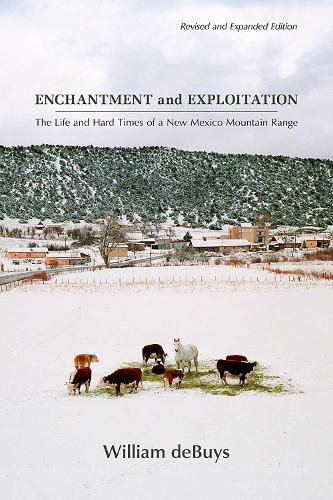
First published in 1985, William deBuys’s Enchantment and Exploitation has become a New Mexico classic. It offers a complete account of the relationship between society and environment in the Sangre de Cristo Mountains of northern New Mexico, a region unique in its rich combination of ecological and cultural diversity. Now, more than thirty years later, this revised and expanded edition provides a long-awaited assessment of the quality of the journey that New Mexican society has traveled in that time-and continues to travel.
In a new final chapter deBuys examines ongoing transformations in the mountains’ natural systems-including, most notably, developments related to wildfires-with significant implications for both the land and the people who depend on it. As the climate absorbs the effects of an industrial society, deBuys argues, we can no longer expect the environmental future to be a reiteration of the environmental past.
$9.00 standard shipping within Australia
FREE standard shipping within Australia for orders over $100.00
Express & International shipping calculated at checkout
Stock availability can be subject to change without notice. We recommend calling the shop or contacting our online team to check availability of low stock items. Please see our Shopping Online page for more details.
First published in 1985, William deBuys’s Enchantment and Exploitation has become a New Mexico classic. It offers a complete account of the relationship between society and environment in the Sangre de Cristo Mountains of northern New Mexico, a region unique in its rich combination of ecological and cultural diversity. Now, more than thirty years later, this revised and expanded edition provides a long-awaited assessment of the quality of the journey that New Mexican society has traveled in that time-and continues to travel.
In a new final chapter deBuys examines ongoing transformations in the mountains’ natural systems-including, most notably, developments related to wildfires-with significant implications for both the land and the people who depend on it. As the climate absorbs the effects of an industrial society, deBuys argues, we can no longer expect the environmental future to be a reiteration of the environmental past.
Search our extensive online catalogue.
