Readings Newsletter
Become a Readings Member to make your shopping experience even easier.
Sign in or sign up for free!
You’re not far away from qualifying for FREE standard shipping within Australia
You’ve qualified for FREE standard shipping within Australia
The cart is loading…


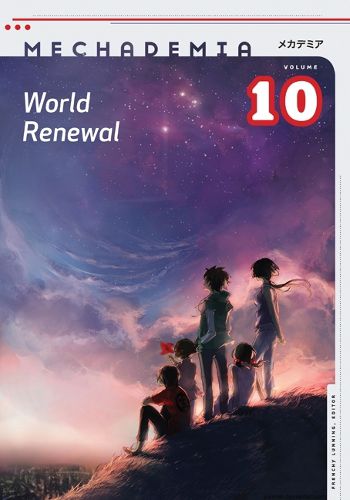
Mechademia 10 revolves around a maelstrom of events: the devastation of 3/11–the earthquake, tsunami, and nuclear reactor crises–and the ongoing environmental disasters that have recently overtaken Japan. Because anime and manga have long proposed (and illustrated) alternative worlds–some created after catastrophes–it is fitting that this volume should consider this propensity for world renewal. Individual essays range widely, from a poetic and personal reflection on the ritual of tOrO nagashi (the lighting of floating paper lanterns that has traditionally commemorated souls lost in great public cataclysms, such as war) to a study of the various counterfactual histories written about the historical figure of Toyotomi Hideyoshi, a former peasant farmer who became a military dictator of feudal Japan. The book also includes an original manga, Nanohana, from the popular artist Hagio Moto, who is quoted as saying: I want to think together with everyone else about Fukushima and Chernobyl, about the future of the Earth, about the future of humankind, and to keep thinking moving forward.
$9.00 standard shipping within Australia
FREE standard shipping within Australia for orders over $100.00
Express & International shipping calculated at checkout
Stock availability can be subject to change without notice. We recommend calling the shop or contacting our online team to check availability of low stock items. Please see our Shopping Online page for more details.
Mechademia 10 revolves around a maelstrom of events: the devastation of 3/11–the earthquake, tsunami, and nuclear reactor crises–and the ongoing environmental disasters that have recently overtaken Japan. Because anime and manga have long proposed (and illustrated) alternative worlds–some created after catastrophes–it is fitting that this volume should consider this propensity for world renewal. Individual essays range widely, from a poetic and personal reflection on the ritual of tOrO nagashi (the lighting of floating paper lanterns that has traditionally commemorated souls lost in great public cataclysms, such as war) to a study of the various counterfactual histories written about the historical figure of Toyotomi Hideyoshi, a former peasant farmer who became a military dictator of feudal Japan. The book also includes an original manga, Nanohana, from the popular artist Hagio Moto, who is quoted as saying: I want to think together with everyone else about Fukushima and Chernobyl, about the future of the Earth, about the future of humankind, and to keep thinking moving forward.
Search our extensive online catalogue.
