Readings Newsletter
Become a Readings Member to make your shopping experience even easier.
Sign in or sign up for free!
You’re not far away from qualifying for FREE standard shipping within Australia
You’ve qualified for FREE standard shipping within Australia
The cart is loading…


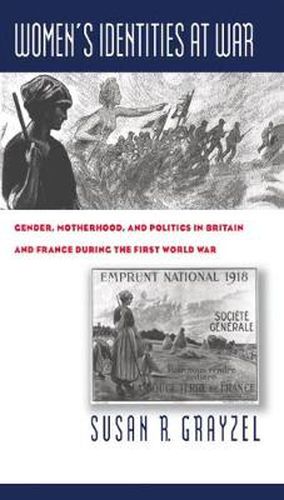
There are few moments in history when the division between the sexes seems as natural as during wartime: men go off to the war front , while women stay behind on the home front . But the very notion of the home front was an invention of the First World War, when, for the first time, home and domestic became adjectives that modified the military term front . Such an innovation acknowledged the significant and presumably new contributions of civilians, especially women, to the war effort. Yet, as the author of this study argues, traditional notions of masculinity and femininity survived, primarily through the maintenance of soldiering and mothering as the core of gender and national identities. Drawing on sources that range from popular fiction and war memorials to newspapers and legislative debates, Susan Grayzel analyzes the effects of World War I on ideas about civic participation, national service, morality, sexuality, and identity in wartime Britain and France. Despite the appearance of enormous challenges to gender roles due to the upheavals of war, the forces of stability prevailed, she states, demonstrating the western European gender system’s remarkable resilience.
$9.00 standard shipping within Australia
FREE standard shipping within Australia for orders over $100.00
Express & International shipping calculated at checkout
Stock availability can be subject to change without notice. We recommend calling the shop or contacting our online team to check availability of low stock items. Please see our Shopping Online page for more details.
There are few moments in history when the division between the sexes seems as natural as during wartime: men go off to the war front , while women stay behind on the home front . But the very notion of the home front was an invention of the First World War, when, for the first time, home and domestic became adjectives that modified the military term front . Such an innovation acknowledged the significant and presumably new contributions of civilians, especially women, to the war effort. Yet, as the author of this study argues, traditional notions of masculinity and femininity survived, primarily through the maintenance of soldiering and mothering as the core of gender and national identities. Drawing on sources that range from popular fiction and war memorials to newspapers and legislative debates, Susan Grayzel analyzes the effects of World War I on ideas about civic participation, national service, morality, sexuality, and identity in wartime Britain and France. Despite the appearance of enormous challenges to gender roles due to the upheavals of war, the forces of stability prevailed, she states, demonstrating the western European gender system’s remarkable resilience.
Search our extensive online catalogue.
