Readings Newsletter
Become a Readings Member to make your shopping experience even easier.
Sign in or sign up for free!
You’re not far away from qualifying for FREE standard shipping within Australia
You’ve qualified for FREE standard shipping within Australia
The cart is loading…


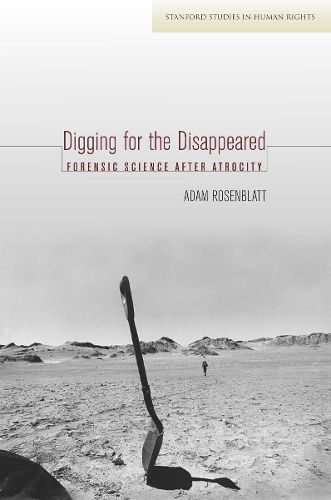
The mass graves from our long human history of genocide, massacres, and violent conflict form an underground map of atrocity that stretches across the planet’s surface. In the past few decades, due to rapidly developing technologies and a powerful global human rights movement, the scientific study of those graves has become a standard facet of post-conflict international assistance. Digging for the Disappeared provides readers with a window into this growing but little-understood form of human rights work, including the dangers and sometimes unexpected complications that arise as evidence is gathered and the dead are named.
Adam Rosenblatt examines the ethical, political, and historical foundations of the rapidly growing field of forensic investigation, from the graves of the disappeared in Latin America to genocides in Rwanda and the former Yugoslavia to post-Saddam Hussein Iraq. In the process, he illustrates how forensic teams strive to balance the needs of war crimes tribunals, transitional governments, and the families of the missing in post-conflict nations. Digging for the Disappeared draws on interviews with key players in the field to present a new way to analyze and value the work forensic experts do at mass graves, shifting the discussion from an exclusive focus on the rights of the living to a rigorous analysis of the care of the dead. Rosenblatt tackles these heady, hard topics in order to extend human rights scholarship into the realm of the dead and the limited but powerful forms of repair available for victims of atrocity.
$9.00 standard shipping within Australia
FREE standard shipping within Australia for orders over $100.00
Express & International shipping calculated at checkout
Stock availability can be subject to change without notice. We recommend calling the shop or contacting our online team to check availability of low stock items. Please see our Shopping Online page for more details.
The mass graves from our long human history of genocide, massacres, and violent conflict form an underground map of atrocity that stretches across the planet’s surface. In the past few decades, due to rapidly developing technologies and a powerful global human rights movement, the scientific study of those graves has become a standard facet of post-conflict international assistance. Digging for the Disappeared provides readers with a window into this growing but little-understood form of human rights work, including the dangers and sometimes unexpected complications that arise as evidence is gathered and the dead are named.
Adam Rosenblatt examines the ethical, political, and historical foundations of the rapidly growing field of forensic investigation, from the graves of the disappeared in Latin America to genocides in Rwanda and the former Yugoslavia to post-Saddam Hussein Iraq. In the process, he illustrates how forensic teams strive to balance the needs of war crimes tribunals, transitional governments, and the families of the missing in post-conflict nations. Digging for the Disappeared draws on interviews with key players in the field to present a new way to analyze and value the work forensic experts do at mass graves, shifting the discussion from an exclusive focus on the rights of the living to a rigorous analysis of the care of the dead. Rosenblatt tackles these heady, hard topics in order to extend human rights scholarship into the realm of the dead and the limited but powerful forms of repair available for victims of atrocity.
Search our extensive online catalogue.
