Readings Newsletter
Become a Readings Member to make your shopping experience even easier.
Sign in or sign up for free!
You’re not far away from qualifying for FREE standard shipping within Australia
You’ve qualified for FREE standard shipping within Australia
The cart is loading…


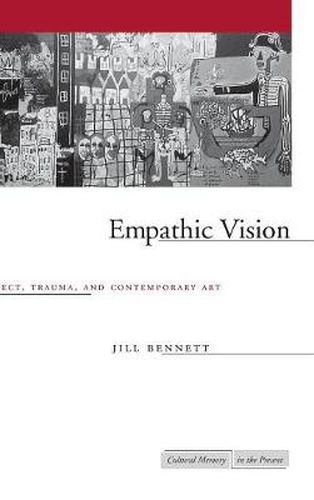
This book analyzes contemporary visual art produced in the context of conflict and trauma from a range of countries, including Colombia, Northern Ireland, South Africa, and Australia. It focuses on what makes visual language unique, arguing that the affective quality of art contributes to a new understanding of the experience of trauma and loss. By extending the concept of empathy, it also demonstrates how we might, through art, make connections with people in different parts of the world whose experiences differ from our own. The book makes a distinct contribution to trauma studies, which has tended to concentrate on literary forms of expression. It also offers a sophisticated theoretical analysis of the operations of art, drawing on philosophers such as Gilles Deleuze, but setting this within a postcolonial framework. Empathic Vision will appeal to anyone interested in the role of culture in post-September 11 global politics.
$9.00 standard shipping within Australia
FREE standard shipping within Australia for orders over $100.00
Express & International shipping calculated at checkout
Stock availability can be subject to change without notice. We recommend calling the shop or contacting our online team to check availability of low stock items. Please see our Shopping Online page for more details.
This book analyzes contemporary visual art produced in the context of conflict and trauma from a range of countries, including Colombia, Northern Ireland, South Africa, and Australia. It focuses on what makes visual language unique, arguing that the affective quality of art contributes to a new understanding of the experience of trauma and loss. By extending the concept of empathy, it also demonstrates how we might, through art, make connections with people in different parts of the world whose experiences differ from our own. The book makes a distinct contribution to trauma studies, which has tended to concentrate on literary forms of expression. It also offers a sophisticated theoretical analysis of the operations of art, drawing on philosophers such as Gilles Deleuze, but setting this within a postcolonial framework. Empathic Vision will appeal to anyone interested in the role of culture in post-September 11 global politics.
Search our extensive online catalogue.
