Readings Newsletter
Become a Readings Member to make your shopping experience even easier.
Sign in or sign up for free!
You’re not far away from qualifying for FREE standard shipping within Australia
You’ve qualified for FREE standard shipping within Australia
The cart is loading…


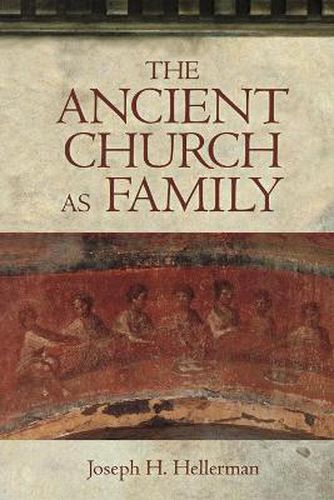
The author explores the literature of the first three centuries of the church in terms of group identity and formation as surrogate kinship. Why did this become the organizing model in the earliest churches? How did historical developments intervene to shift the paradigm? How do ancient Mediterranean kinship structures correlate with church formation? Hellerman traces the fascinating story of these developments over three centuries and what brought them about. His focus is the New Testament documents (especially Paul’s letters), second-century authors, and concluding with Cyprian in the third century. Kinship terminology in these writings, behaviors of group solidarity, and the symbolic power of kinship language in these groups are examined.
$9.00 standard shipping within Australia
FREE standard shipping within Australia for orders over $100.00
Express & International shipping calculated at checkout
Stock availability can be subject to change without notice. We recommend calling the shop or contacting our online team to check availability of low stock items. Please see our Shopping Online page for more details.
The author explores the literature of the first three centuries of the church in terms of group identity and formation as surrogate kinship. Why did this become the organizing model in the earliest churches? How did historical developments intervene to shift the paradigm? How do ancient Mediterranean kinship structures correlate with church formation? Hellerman traces the fascinating story of these developments over three centuries and what brought them about. His focus is the New Testament documents (especially Paul’s letters), second-century authors, and concluding with Cyprian in the third century. Kinship terminology in these writings, behaviors of group solidarity, and the symbolic power of kinship language in these groups are examined.
Search our extensive online catalogue.
