Readings Newsletter
Become a Readings Member to make your shopping experience even easier.
Sign in or sign up for free!
You’re not far away from qualifying for FREE standard shipping within Australia
You’ve qualified for FREE standard shipping within Australia
The cart is loading…


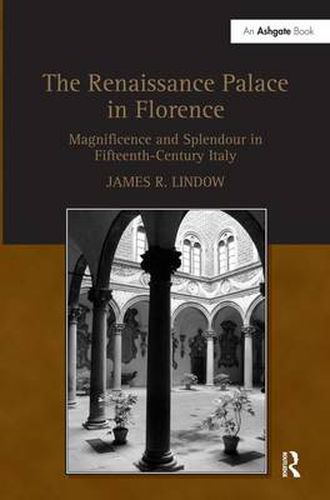
This book provides a reassessment of the theory of magnificence in light of the related social virtue of splendour. Author James Lindow highlights how magnificence, when applied to private palaces, extended beyond the exterior to include the interior as a series of splendid spaces where virtuous expenditure could and should be displayed.
Examining the fifteenth-century Florentine palazzo from a new perspective, Lindow’s groundbreaking study considers these buildings comprehensively as complete entities, from the exterior through to the interior. This book highlights the ways in which classical theory and Renaissance practice intersected in quattrocento Florence. Using unpublished inventories, private documents and surviving domestic objects, The Renaissance Palace in Florence offers a more nuanced understanding of the early modern urban palace.
$9.00 standard shipping within Australia
FREE standard shipping within Australia for orders over $100.00
Express & International shipping calculated at checkout
Stock availability can be subject to change without notice. We recommend calling the shop or contacting our online team to check availability of low stock items. Please see our Shopping Online page for more details.
This book provides a reassessment of the theory of magnificence in light of the related social virtue of splendour. Author James Lindow highlights how magnificence, when applied to private palaces, extended beyond the exterior to include the interior as a series of splendid spaces where virtuous expenditure could and should be displayed.
Examining the fifteenth-century Florentine palazzo from a new perspective, Lindow’s groundbreaking study considers these buildings comprehensively as complete entities, from the exterior through to the interior. This book highlights the ways in which classical theory and Renaissance practice intersected in quattrocento Florence. Using unpublished inventories, private documents and surviving domestic objects, The Renaissance Palace in Florence offers a more nuanced understanding of the early modern urban palace.
Search our extensive online catalogue.
