Readings Newsletter
Become a Readings Member to make your shopping experience even easier.
Sign in or sign up for free!
You’re not far away from qualifying for FREE standard shipping within Australia
You’ve qualified for FREE standard shipping within Australia
The cart is loading…


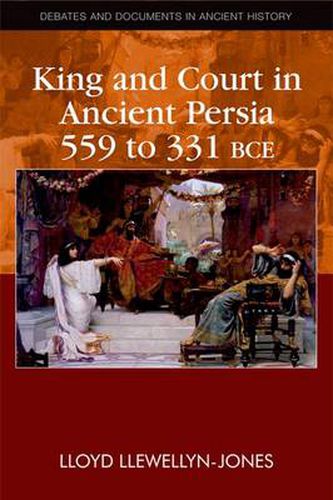
The first Persian Empire (559-331 BC) was the biggest land empire the world had seen, and seated at the heart of its vast dominions, in the south of modern-day Iran, was the person of the Great King. The Great King was no simple platform for meaningless theatrical display; at court, presentation mattered: nobles vied for position and prestige, and the royal family attempted to keep a tight grip on dynastic power - in spite of succession struggles, murders, and usurpation. This book explores the representation of Persian monarchy and the court of the Achaemenid Great Kings from the point of view of the ancient Iranians themselves (as well as other Near Eastern peoples) and through the sometimes distorted prism of Classical and Biblical sources.
$9.00 standard shipping within Australia
FREE standard shipping within Australia for orders over $100.00
Express & International shipping calculated at checkout
Stock availability can be subject to change without notice. We recommend calling the shop or contacting our online team to check availability of low stock items. Please see our Shopping Online page for more details.
The first Persian Empire (559-331 BC) was the biggest land empire the world had seen, and seated at the heart of its vast dominions, in the south of modern-day Iran, was the person of the Great King. The Great King was no simple platform for meaningless theatrical display; at court, presentation mattered: nobles vied for position and prestige, and the royal family attempted to keep a tight grip on dynastic power - in spite of succession struggles, murders, and usurpation. This book explores the representation of Persian monarchy and the court of the Achaemenid Great Kings from the point of view of the ancient Iranians themselves (as well as other Near Eastern peoples) and through the sometimes distorted prism of Classical and Biblical sources.
Search our extensive online catalogue.
