Readings Newsletter
Become a Readings Member to make your shopping experience even easier.
Sign in or sign up for free!
You’re not far away from qualifying for FREE standard shipping within Australia
You’ve qualified for FREE standard shipping within Australia
The cart is loading…


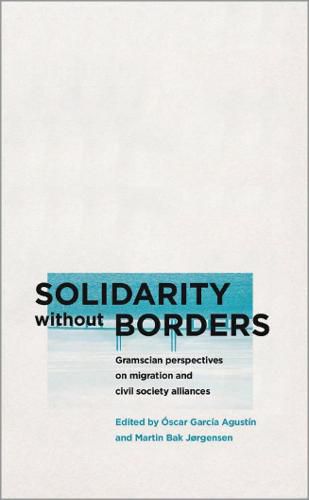
Solidarity without Borders reads the micropolitics of migrants as political actors within a Gramscian context by observing alliances between migrants and trade unions, worker organisations and other radical constituencies.
This book argues for Gramsci’s theory of the formation of a transnational counter-hegemonic bloc, by studying methods of modern resistance and new forms of solidarity between these forming groups. With case studies of the Gezi Park Protests in Turkey, social movements in Ireland and the Lampedusa in Hamburg, the authors consider how diverse new migrant political actors, newfound cross-border alliances, and spaces of resistance shape the political dimensions of protest.
As migrants are often deprived of agency and placed outside the mobilisations taking place across Europe, Solidarity without Borders demonstrates how new solidarity relations are shaped and how these may construct a new common ground for struggle and for developing political alternatives.
$9.00 standard shipping within Australia
FREE standard shipping within Australia for orders over $100.00
Express & International shipping calculated at checkout
Stock availability can be subject to change without notice. We recommend calling the shop or contacting our online team to check availability of low stock items. Please see our Shopping Online page for more details.
Solidarity without Borders reads the micropolitics of migrants as political actors within a Gramscian context by observing alliances between migrants and trade unions, worker organisations and other radical constituencies.
This book argues for Gramsci’s theory of the formation of a transnational counter-hegemonic bloc, by studying methods of modern resistance and new forms of solidarity between these forming groups. With case studies of the Gezi Park Protests in Turkey, social movements in Ireland and the Lampedusa in Hamburg, the authors consider how diverse new migrant political actors, newfound cross-border alliances, and spaces of resistance shape the political dimensions of protest.
As migrants are often deprived of agency and placed outside the mobilisations taking place across Europe, Solidarity without Borders demonstrates how new solidarity relations are shaped and how these may construct a new common ground for struggle and for developing political alternatives.
Search our extensive online catalogue.
