Readings Newsletter
Become a Readings Member to make your shopping experience even easier.
Sign in or sign up for free!
You’re not far away from qualifying for FREE standard shipping within Australia
You’ve qualified for FREE standard shipping within Australia
The cart is loading…


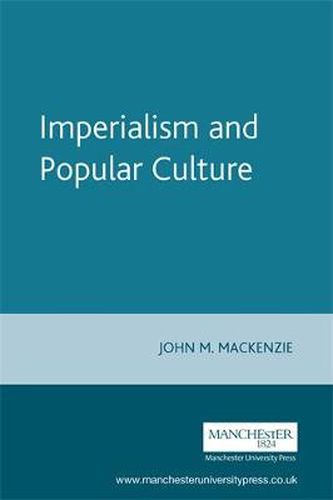
Popular culture is invariably a vehicle for the dominant ideas of its age. Never was this more true than in the late-19th and early 20th centuries, when it reflected the nationalist and imperialist ideologies current throughout Europe. This text examines the various media through which nationalist ideas were conveyed in late-Victorian and Edwardian times - in the theatre, ethnic shows, juvenile literature, education and the iconography of popular art. Several chapters look beyond World War I, when the most popular media, cinema and broadcasting, continued to convey an essentially late-19th-century world view, while government agencies like the Empire Marketing Board sought to convince the public of the economic value of empire. Youth organizations, which had propagated imperialist and militarist attitudes before the war, struggled to adapt to the new internationalist climate.
$9.00 standard shipping within Australia
FREE standard shipping within Australia for orders over $100.00
Express & International shipping calculated at checkout
Stock availability can be subject to change without notice. We recommend calling the shop or contacting our online team to check availability of low stock items. Please see our Shopping Online page for more details.
Popular culture is invariably a vehicle for the dominant ideas of its age. Never was this more true than in the late-19th and early 20th centuries, when it reflected the nationalist and imperialist ideologies current throughout Europe. This text examines the various media through which nationalist ideas were conveyed in late-Victorian and Edwardian times - in the theatre, ethnic shows, juvenile literature, education and the iconography of popular art. Several chapters look beyond World War I, when the most popular media, cinema and broadcasting, continued to convey an essentially late-19th-century world view, while government agencies like the Empire Marketing Board sought to convince the public of the economic value of empire. Youth organizations, which had propagated imperialist and militarist attitudes before the war, struggled to adapt to the new internationalist climate.
Search our extensive online catalogue.
