Readings Newsletter
Become a Readings Member to make your shopping experience even easier.
Sign in or sign up for free!
You’re not far away from qualifying for FREE standard shipping within Australia
You’ve qualified for FREE standard shipping within Australia
The cart is loading…


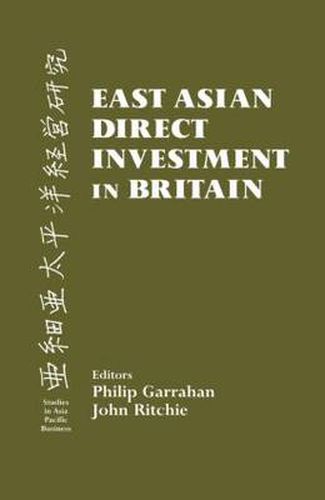
The North of England has claimed more inward investment from East Asia than any other region in Britain, or indeed any region in the other member states of the European Union. Specialists from business organization and management join with political economists and geographers to consider how this Foreign Direct Investment (FDI) has influenced change in the region, and plot the dynamics of this particularly British phenomenon. The contributors investigate the main indicators of change and the interaction with FDI from East Asia against the background of profound changes in the regional economy since the mid 1980s, specially the part played by FDI in boosting successive phases of post-war regional economic development planning. They discuss in particular how the North has met the challenge of its long-term decline and, now that this source of FDI is levelling off and there are signs of dis-investment, the implications for the region. Specific aspects - such as private and public sector collaboration, local government, and employment relations - are analyzed with a view to determining which have been most directly affected. The book concludes with a discussion of the causes and consequences of the East Asian economic crisis and some of the likely long-term effects of the crisis for East Asia and for the global economy more generally.
$9.00 standard shipping within Australia
FREE standard shipping within Australia for orders over $100.00
Express & International shipping calculated at checkout
Stock availability can be subject to change without notice. We recommend calling the shop or contacting our online team to check availability of low stock items. Please see our Shopping Online page for more details.
The North of England has claimed more inward investment from East Asia than any other region in Britain, or indeed any region in the other member states of the European Union. Specialists from business organization and management join with political economists and geographers to consider how this Foreign Direct Investment (FDI) has influenced change in the region, and plot the dynamics of this particularly British phenomenon. The contributors investigate the main indicators of change and the interaction with FDI from East Asia against the background of profound changes in the regional economy since the mid 1980s, specially the part played by FDI in boosting successive phases of post-war regional economic development planning. They discuss in particular how the North has met the challenge of its long-term decline and, now that this source of FDI is levelling off and there are signs of dis-investment, the implications for the region. Specific aspects - such as private and public sector collaboration, local government, and employment relations - are analyzed with a view to determining which have been most directly affected. The book concludes with a discussion of the causes and consequences of the East Asian economic crisis and some of the likely long-term effects of the crisis for East Asia and for the global economy more generally.
Search our extensive online catalogue.
