


Christian Worship and Technological Change
Susan White
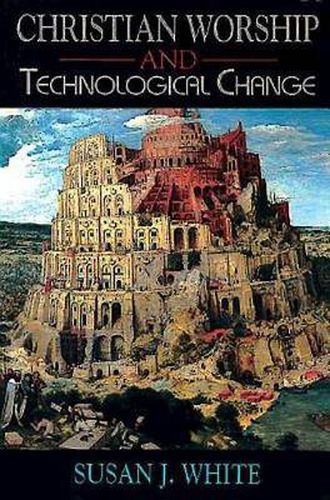
Christian Worship and Technological Change
Susan White
This title is printed to order. This book may have been self-published. If so, we cannot guarantee the quality of the content. In the main most books will have gone through the editing process however some may not. We therefore suggest that you be aware of this before ordering this book. If in doubt check either the author or publisher’s details as we are unable to accept any returns unless they are faulty. Please contact us if you have any questions.
Those interested in Christian worship have tended to limit their attention to three areas: (1) the history of rites and texts; (2) the theological meaning of specific liturgical acts; and (3) the nature of ritual speech and gesture. But there has been little attention paid to the interaction between Christian worship and its immediate social context. This book will argue that one of the primary influences on the social context of Christian worship is the pervasive presence of technology and technological process, and that these have had a profound effect on liturgical theory and practice. After a survey of some of the important work being done in the history and philosophy of technology, White goes on to cite specific historical examples of the creative interplay between technological processes and Christian worship. This will include such things as the pasteurization of grape juice for the use at communion and the changes in funeral rites which were made necessary by the practice of embalming. The argument will then turn to the way in which individuals who think technologically approach the act of Christian worship today, and then to a discussion of the technological influences at work on those involved in preparing services of public worship. This last section will describe how technology has affected the way in which every mainline denomination produces its official service materials, as well as how individual congregations appropriate liturgical change. In the final section of the book, one issue remains to be addressed: Is technology a dangerous social force, against which Christian worship can be a potent weapon? Or, on the other hand, is technology an inextricable element in a contemporary society to which Christian worship must accommodate itself in order to be relevant?
This item is not currently in-stock. It can be ordered online and is expected to ship in 7-14 days
Our stock data is updated periodically, and availability may change throughout the day for in-demand items. Please call the relevant shop for the most current stock information. Prices are subject to change without notice.
Sign in or become a Readings Member to add this title to a wishlist.