Readings Newsletter
Become a Readings Member to make your shopping experience even easier.
Sign in or sign up for free!
You’re not far away from qualifying for FREE standard shipping within Australia
You’ve qualified for FREE standard shipping within Australia
The cart is loading…


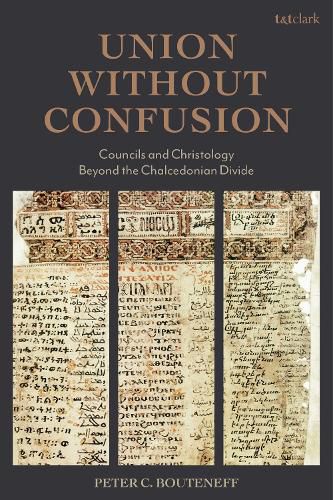
Eastern Orthodox and Oriental Orthodox Christians have been separated since the aftermath of the Council of Chalcedon in 451. This book offers a fresh perspective on the conciliar era, exploring the separation between dyophysite and miaphysite Christians through historical and theological lenses.
This study examines the theological formulations of the seven great councils alongside other key writings- presented here in Greek with English translations. It invites a reconsideration of figures long revered or rejected by the different churches, and traces how Greek philosophical terminology was gradually reshaped to express Christian belief-a process that took different forms across the diverse regions in late antiquity.
More than a reappraisal of the past, this study challenges readers to reflect on the nature of patristic authority, and its enduring implications for theology and the restoration of communion among the churches.
$9.00 standard shipping within Australia
FREE standard shipping within Australia for orders over $100.00
Express & International shipping calculated at checkout
Stock availability can be subject to change without notice. We recommend calling the shop or contacting our online team to check availability of low stock items. Please see our Shopping Online page for more details.
Eastern Orthodox and Oriental Orthodox Christians have been separated since the aftermath of the Council of Chalcedon in 451. This book offers a fresh perspective on the conciliar era, exploring the separation between dyophysite and miaphysite Christians through historical and theological lenses.
This study examines the theological formulations of the seven great councils alongside other key writings- presented here in Greek with English translations. It invites a reconsideration of figures long revered or rejected by the different churches, and traces how Greek philosophical terminology was gradually reshaped to express Christian belief-a process that took different forms across the diverse regions in late antiquity.
More than a reappraisal of the past, this study challenges readers to reflect on the nature of patristic authority, and its enduring implications for theology and the restoration of communion among the churches.
Search our extensive online catalogue.
