Readings Newsletter
Become a Readings Member to make your shopping experience even easier.
Sign in or sign up for free!
You’re not far away from qualifying for FREE standard shipping within Australia
You’ve qualified for FREE standard shipping within Australia
The cart is loading…


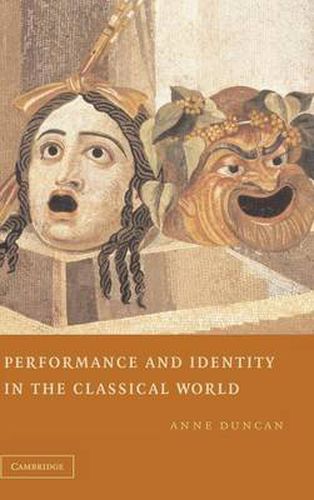
Performance and Identity in the Classical World traces attitudes towards actors in Greek and Roman culture as a means of understanding ancient conceptions of, and anxieties about, the self. Actors were often viewed as frauds and impostors, capable of deliberately fabricating their identities. Conversely, they were sometimes viewed as possessed by the characters that they played, or as merely playing themselves onstage. Numerous sources reveal an uneasy fascination with actors and acting, from the writings of elite intellectuals (philosophers, orators, biographers, historians) to the abundant theatrical anecdotes that can be read as a body of ‘popular performance theory’. This text examines these sources, along with dramatic texts and addresses the issue of impersonation, from the late fifth century BCE to the early Roman Empire.
$9.00 standard shipping within Australia
FREE standard shipping within Australia for orders over $100.00
Express & International shipping calculated at checkout
Stock availability can be subject to change without notice. We recommend calling the shop or contacting our online team to check availability of low stock items. Please see our Shopping Online page for more details.
Performance and Identity in the Classical World traces attitudes towards actors in Greek and Roman culture as a means of understanding ancient conceptions of, and anxieties about, the self. Actors were often viewed as frauds and impostors, capable of deliberately fabricating their identities. Conversely, they were sometimes viewed as possessed by the characters that they played, or as merely playing themselves onstage. Numerous sources reveal an uneasy fascination with actors and acting, from the writings of elite intellectuals (philosophers, orators, biographers, historians) to the abundant theatrical anecdotes that can be read as a body of ‘popular performance theory’. This text examines these sources, along with dramatic texts and addresses the issue of impersonation, from the late fifth century BCE to the early Roman Empire.
Search our extensive online catalogue.
