Readings Newsletter
Become a Readings Member to make your shopping experience even easier.
Sign in or sign up for free!
You’re not far away from qualifying for FREE standard shipping within Australia
You’ve qualified for FREE standard shipping within Australia
The cart is loading…


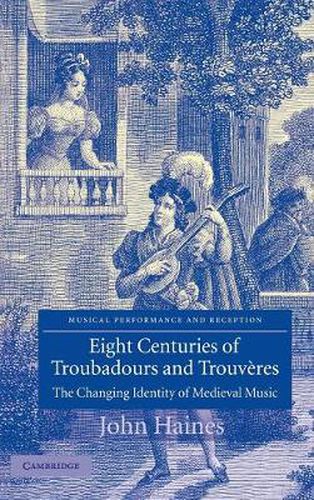
This book traces the changing interpretation of troubadour and trouvere music, a repertoire of songs which have successfully maintained public interest for eight centuries, from the medieval chansonniers to contemporary rap renditions. A study of their reception therefore serves to illustrate the development of the modern concept of ‘medieval music’. Important stages include sixteenth-century antiquarianism, the Enlightenment synthesis of scholarly and popular traditions, and the infusion of archaeology and philology in the nineteenth century, leading to more recent theories on medieval rhythm. More often than not, writers and performers have negotiated a compromise between historical research and a more imaginative approach to envisioning the music of the troubadours and trouveres. This book points not so much to a resurrection of medieval music in modern times as to a continuous tradition of interpreting these songs over eight centuries.
$9.00 standard shipping within Australia
FREE standard shipping within Australia for orders over $100.00
Express & International shipping calculated at checkout
Stock availability can be subject to change without notice. We recommend calling the shop or contacting our online team to check availability of low stock items. Please see our Shopping Online page for more details.
This book traces the changing interpretation of troubadour and trouvere music, a repertoire of songs which have successfully maintained public interest for eight centuries, from the medieval chansonniers to contemporary rap renditions. A study of their reception therefore serves to illustrate the development of the modern concept of ‘medieval music’. Important stages include sixteenth-century antiquarianism, the Enlightenment synthesis of scholarly and popular traditions, and the infusion of archaeology and philology in the nineteenth century, leading to more recent theories on medieval rhythm. More often than not, writers and performers have negotiated a compromise between historical research and a more imaginative approach to envisioning the music of the troubadours and trouveres. This book points not so much to a resurrection of medieval music in modern times as to a continuous tradition of interpreting these songs over eight centuries.
Search our extensive online catalogue.
