Readings Newsletter
Become a Readings Member to make your shopping experience even easier.
Sign in or sign up for free!
You’re not far away from qualifying for FREE standard shipping within Australia
You’ve qualified for FREE standard shipping within Australia
The cart is loading…


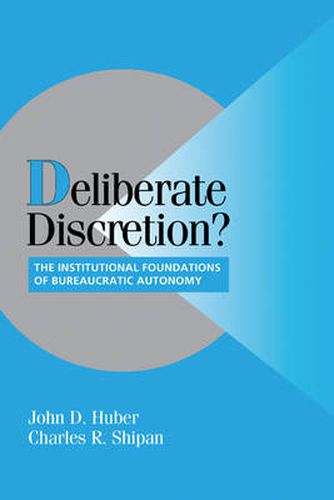
The laws that legislatures adopt provide the most important and definitive opportunity elected politicians have to define public policy. But the ways politicians use laws to shape policy varies considerably across polities. In some cases, legislatures adopt detailed and specific laws in efforts to micromanage policy-making processes. In others, they adopt general and vague laws that leave the executive and bureaucrats substantial autonomy to fill in the policy details. What explains these differences across political systems, and how do they matter? The authors address this issue by developing and testing a comparative theory of how laws shape bureaucratic autonomy. Drawing on a range of evidence from advanced parliamentary democracies and the American states, they argue that particular institutional forms have a systematic and predictable effect on how politicians use laws to shape the policy making process.
$9.00 standard shipping within Australia
FREE standard shipping within Australia for orders over $100.00
Express & International shipping calculated at checkout
Stock availability can be subject to change without notice. We recommend calling the shop or contacting our online team to check availability of low stock items. Please see our Shopping Online page for more details.
The laws that legislatures adopt provide the most important and definitive opportunity elected politicians have to define public policy. But the ways politicians use laws to shape policy varies considerably across polities. In some cases, legislatures adopt detailed and specific laws in efforts to micromanage policy-making processes. In others, they adopt general and vague laws that leave the executive and bureaucrats substantial autonomy to fill in the policy details. What explains these differences across political systems, and how do they matter? The authors address this issue by developing and testing a comparative theory of how laws shape bureaucratic autonomy. Drawing on a range of evidence from advanced parliamentary democracies and the American states, they argue that particular institutional forms have a systematic and predictable effect on how politicians use laws to shape the policy making process.
Search our extensive online catalogue.
