Readings Newsletter
Become a Readings Member to make your shopping experience even easier.
Sign in or sign up for free!
You’re not far away from qualifying for FREE standard shipping within Australia
You’ve qualified for FREE standard shipping within Australia
The cart is loading…


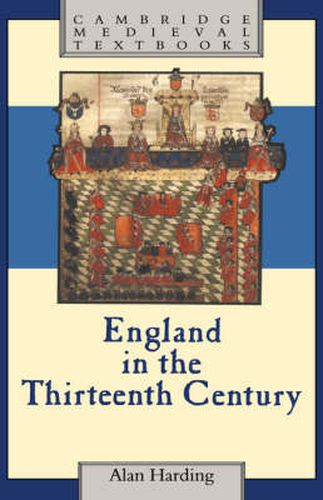
This is a comprehensive account of politics, government and society in thirteenth-century England. Three episodes stand out: the revolt of the barons against King John in 1215, the protest against the misgovernment of Henry III which began in 1258, and the resistance to the demands of Edward I on the resources of the land that came to a head in 1297. These political events are placed in the context of social and economic change, in order to provide a rounded account of the century. The introduction demonstrates the constitutional importance given by past historians to the period that saw the framing of Magna Carta and the beginnings of Parliament and statute law. The central chapters describe the developing social structure of peasants, townsmen and professional people, knights, clergy and lay magnates. The book finally sees the politics of the century in terms of royal ambitions to dominate Britain and to play a leading role in Europe.
$9.00 standard shipping within Australia
FREE standard shipping within Australia for orders over $100.00
Express & International shipping calculated at checkout
Stock availability can be subject to change without notice. We recommend calling the shop or contacting our online team to check availability of low stock items. Please see our Shopping Online page for more details.
This is a comprehensive account of politics, government and society in thirteenth-century England. Three episodes stand out: the revolt of the barons against King John in 1215, the protest against the misgovernment of Henry III which began in 1258, and the resistance to the demands of Edward I on the resources of the land that came to a head in 1297. These political events are placed in the context of social and economic change, in order to provide a rounded account of the century. The introduction demonstrates the constitutional importance given by past historians to the period that saw the framing of Magna Carta and the beginnings of Parliament and statute law. The central chapters describe the developing social structure of peasants, townsmen and professional people, knights, clergy and lay magnates. The book finally sees the politics of the century in terms of royal ambitions to dominate Britain and to play a leading role in Europe.
Search our extensive online catalogue.
